Sustainable Fly Fishing Practices for Conservation
01/12/2026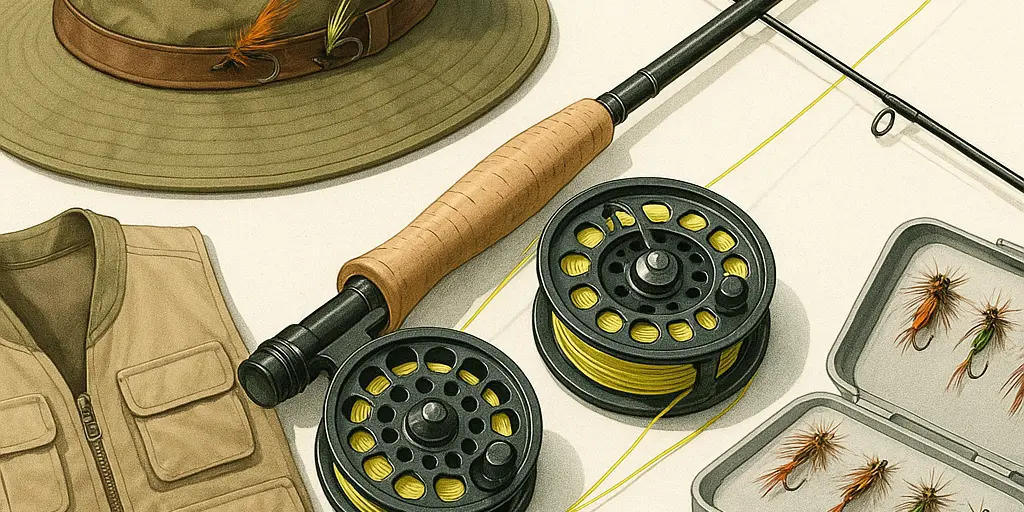
Master the Basics: Essential Gear for Fly Fishing Beginners
Introduction
Fly fishing is an art that combines skill, patience, and the right gear. For beginners, understanding the essential equipment can make the difference between a successful outing and a frustrating experience. This guide will walk you through the fundamental gear needed for fly fishing, helping you feel confident and prepared before you hit the water.
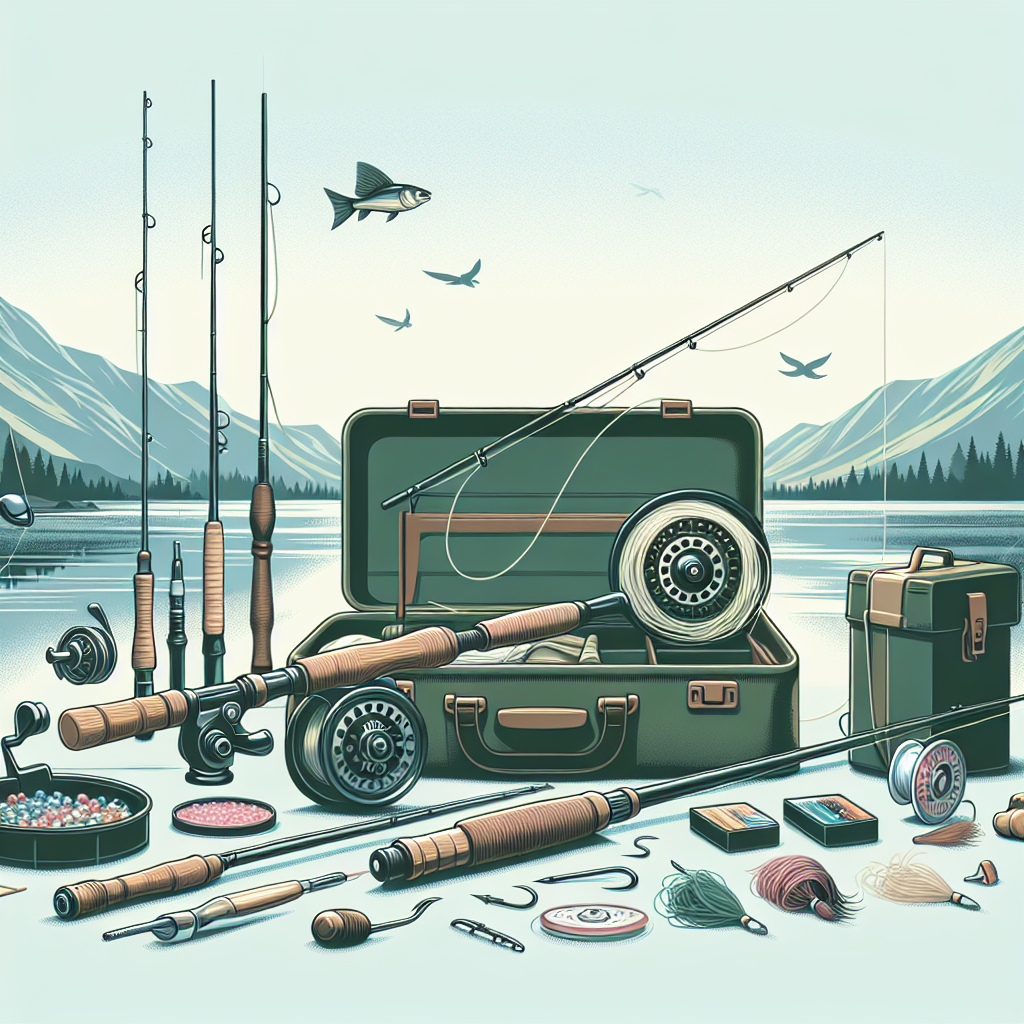
Understanding Fly Fishing Gear
Before diving into specific items, it’s essential to grasp what makes fly fishing unique compared to traditional fishing. The primary distinction lies in the technique and the gear utilized. Fly fishing uses lightweight lures called flies, which require specialized equipment designed to cast them effectively.
1. Fly Rod
Your fly rod is the backbone of your gear setup. It is responsible for casting your fly and controlling the line. When selecting a rod, consider the following:
- Length: Most beginner rods range from 8 to 9 feet.
- Weight: Choose a rod that matches the type of fish you intend to catch—typically 4 to 6 weight for freshwater.
- Material: Graphite rods are popular for their sensitivity and strength.
2. Fly Reel
The fly reel is crucial for storing line and managing fish. For beginners, a simple, reliable reel that balances well with your rod is ideal. When selecting a fly reel, keep these points in mind:
- Drag system: Look for a smooth drag to help manage fish runs.
- Weight: Ensure it pairs well with your chosen rod weight.
- Material: Aluminum reels are durable and corrosion-resistant.
3. Fly Line
Choosing the right fly line is critical, as it affects how your fly is presented in the water. Here are some tips:
- Type: Floating lines are great for beginners targeting fish near the surface.
- Weight: Match the line weight to your rod for optimal performance.
- Color: Consider a bright color for visibility.
Essential Accessories for Fly Fishing
In addition to the primary gear, several accessories can enhance your fly fishing experience:
1. Flies
Flies mimic the insects or prey fish feed on. Start with a basic selection:
- Dry flies: For fishing on the surface.
- Nymphs: For sub-surface fishing.
- Streamers: To imitate larger prey.
2. Tippet and Leaders
These lines connect your fly to the main line and are essential for successful presentations. Key points include:
- Leader length: Typically 7.5 to 9 feet for most conditions.
- Tippet strength: Match the tippet size to the size of the fly and target fish.
- Material: Monofilament is common for beginners.
3. Waders and Boots
Staying dry and comfortable is vital. Choose breathable waders to keep you cool in warmer weather. Ensure your boots have good traction for stability on slippery rocks.
Common Mistakes to Avoid
As you begin your fly fishing journey, being aware of common mistakes can save you time and frustration:
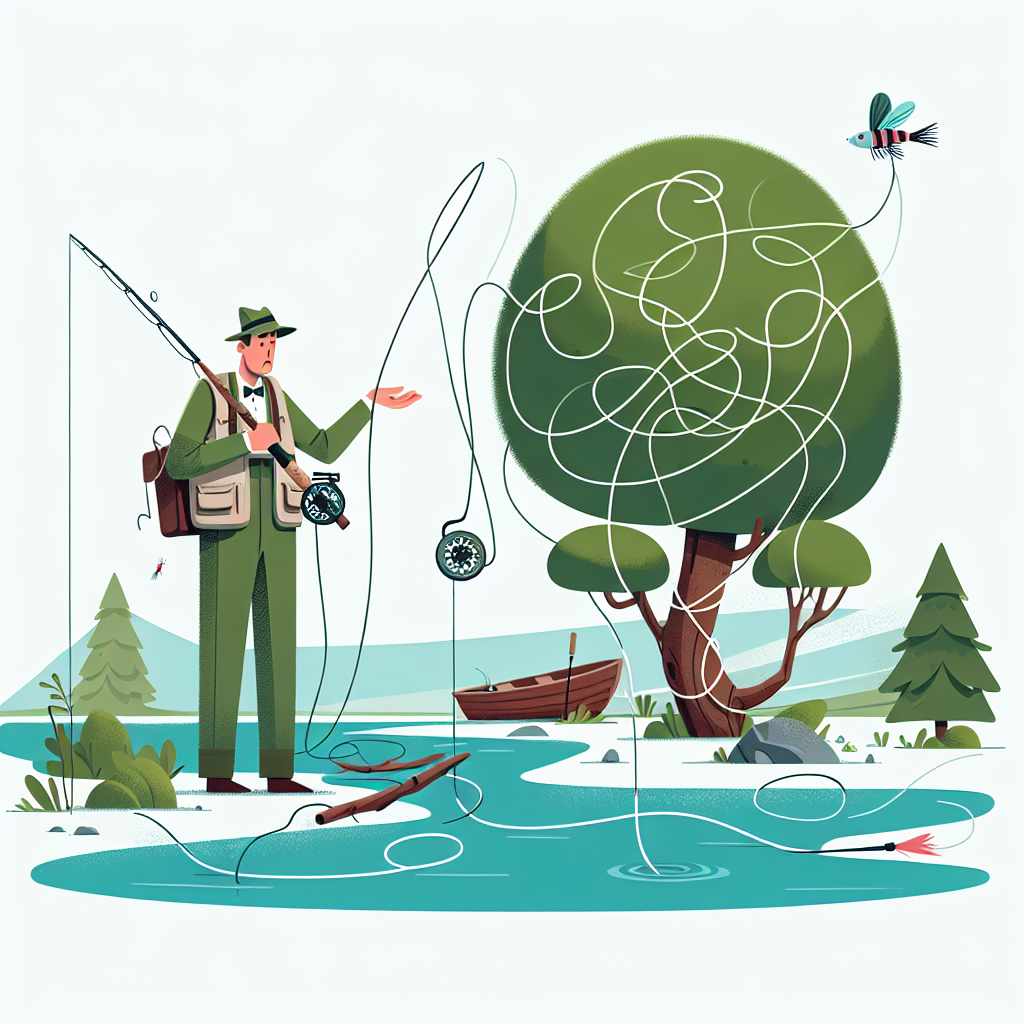
- Overcomplicating gear: Start simple and upgrade as you learn.
- Ignoring casting practice: Spend time mastering your casting technique.
- Forgetting to match the hatch: Research local insect activity to choose appropriate flies.
Conclusion
Mastering the basics of fly fishing gear is an essential step for beginners. By understanding the components of your setup, from rods and reels to lines and flies, you can enhance your fishing experience. Remember to keep it simple, practice your technique, and be mindful of your local fishing environment. With the right gear and knowledge, you’ll be well on your way to enjoying the rewarding world of fly fishing.