
Planning Your First Fly Fishing Trip: A Checklist
01/12/2026
Using Technology to Enhance Your Fly Fishing Skills
01/12/2026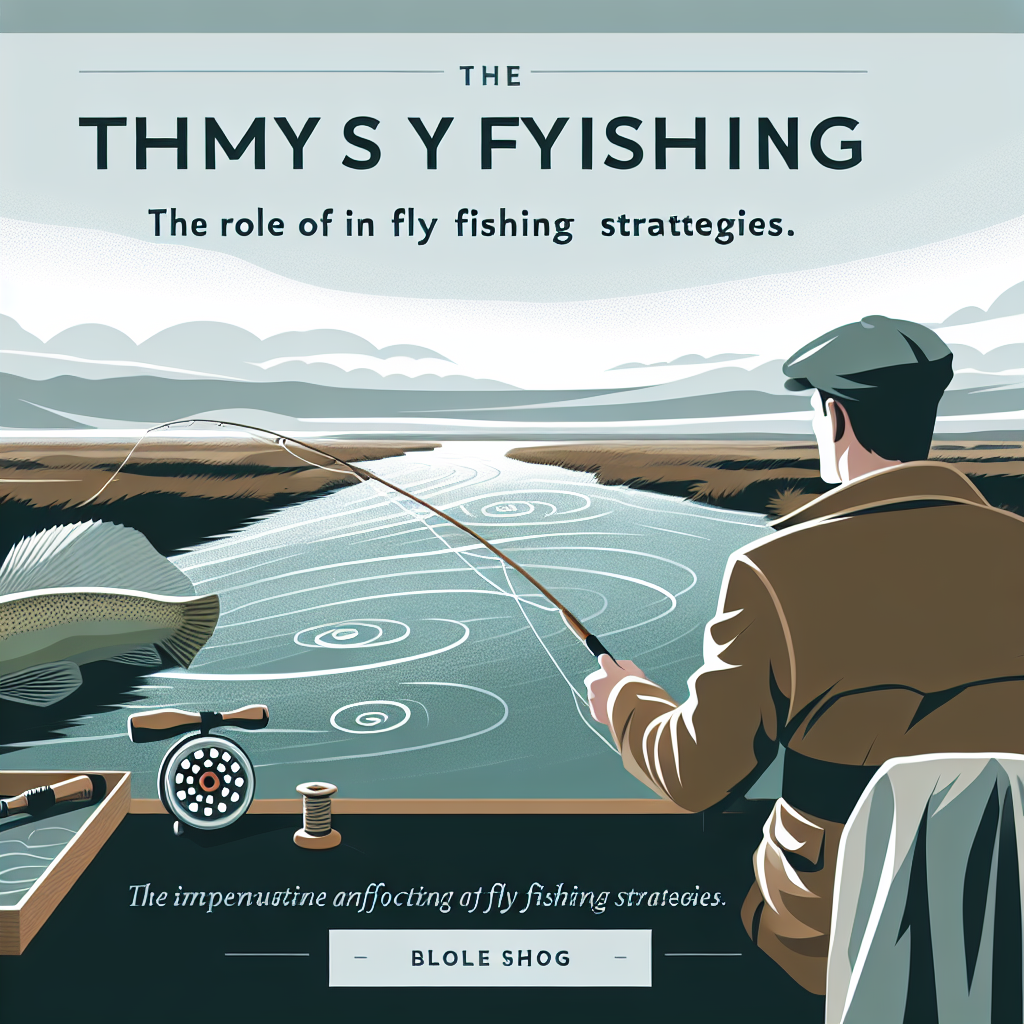
The Role of Weather in Fly Fishing Strategy
The Role of Weather in Fly Fishing Strategy
Weather plays a crucial role in the success of fly fishing, influencing fish behavior, water conditions, and your overall fishing strategy. Understanding how different weather patterns affect aquatic environments can significantly enhance your fishing experience. This article will explore the key weather considerations that every angler should keep in mind, helping you develop a more effective fly fishing strategy.
How Weather Affects Fish Behavior
Fish are highly sensitive to changes in their environment, and weather patterns can trigger various behavioral responses. Here are some key ways weather impacts fish:
- Temperature: Fish are cold-blooded, and their metabolism is influenced by water temperature. Warmer water can lead to increased activity, while cooler temperatures often slow them down.
- Light Levels: Overcast days can lead to more active feeding behavior since fish feel safer with less light exposure.
- Wind Patterns: Wind can create currents that concentrate food sources, making certain fishing spots more productive.
Understanding Barometric Pressure
Barometric pressure changes can also affect fish activity. Fish tend to be more active when the pressure is stable or falling. Here are some observations:
- Low pressure, often preceding a storm, can trigger feeding frenzies.
- High pressure can make fish more lethargic, leading to slower feeding patterns.
- Stable pressure usually yields the best fishing conditions.
Seasonal Weather Patterns
Different seasons bring unique weather conditions that can affect your fly fishing strategy. Here’s a breakdown of how each season impacts fishing:
- Spring: Warmer temperatures and melting snow lead to increased insect activity. Focus on matching hatches with dry flies.
- Summer: Fish often seek deeper waters during extreme heat. Early mornings and late evenings are prime times to fish.
- Autumn: Fish are feeding aggressively to prepare for winter. Look for surface activity during cooler days.
- Winter: Fish slow down considerably; target deeper pools with slower presentations.
Weather-Dependent Strategies
Adapting your fly fishing strategy to current weather conditions is essential for success. Consider these practical tips:
- Always check the weather forecast before heading out. This helps you prepare for sudden changes.
- Adjust your fly selection based on insect activity related to the weather.
- Be prepared to alter your fishing times based on temperature and light conditions.
Common Mistakes to Avoid
Even experienced anglers can fall into traps related to weather considerations. Here are common mistakes to avoid:
- Ignoring weather forecasts; conditions can change quickly.
- Using the same strategy regardless of weather variations.
- Not adapting to water conditions influenced by recent rainfall or temperature changes.
Benefits of Understanding Weather Patterns
Recognizing the role of weather in fly fishing offers several advantages:
- Improved catch rates by targeting fish during optimal feeding times.
- Increased adaptability, allowing you to switch tactics based on conditions.
- Enhanced understanding of aquatic ecosystems, leading to better long-term fishing success.
Conclusion
Weather is a pivotal element in developing a successful fly fishing strategy. By understanding how temperature, light, barometric pressure, and seasonal changes affect fish behavior, you can make informed decisions that enhance your fishing experiences. Remember to stay adaptable, keep learning, and always check the weather before you head out. With these insights, you will be better equipped to catch more fish, regardless of the conditions you encounter.