
Understanding Trout Behavior for Better Fishing Success
01/12/2026
Match the Hatch: An Introduction to Entomology
01/12/2026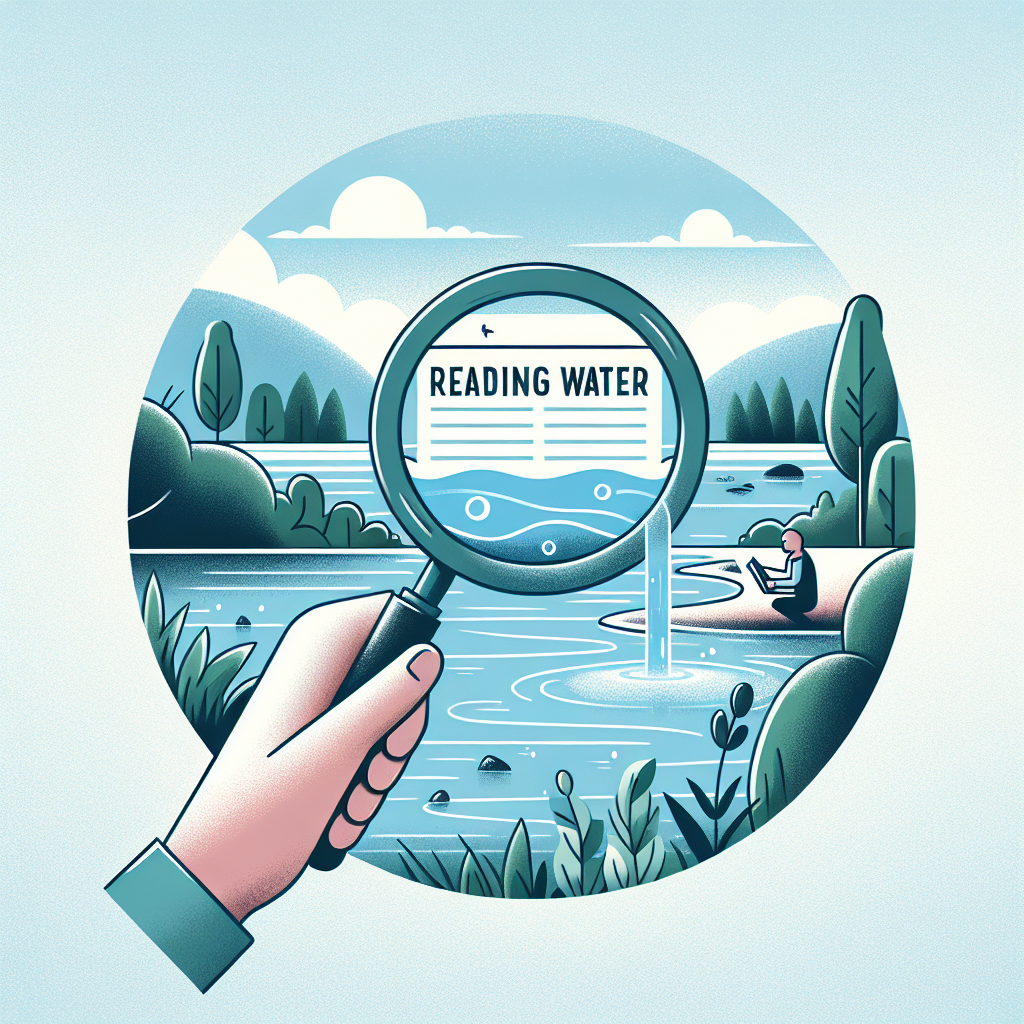
Reading Water: How to Find the Best Spots
Introduction
Understanding how to read water is a fundamental skill for any angler looking to improve their fly fishing experience. This skill not only increases the likelihood of catching fish but also enhances your appreciation of the aquatic environment. In this article, we will explore key concepts in reading water, helping you identify the best fishing spots for a successful day on the river.
The Importance of Reading Water
Reading water involves analyzing the flow and structure of a river or stream to predict where fish are likely to reside. By mastering this skill, anglers can save time and effort, focusing their energy on the most promising locations. Knowing how to identify these areas can make the difference between a fruitful outing and a frustrating one.
Key Features to Look For
When evaluating water, several features indicate favorable conditions for fish. Here are some critical aspects to consider:
- Current Speed: Fish tend to prefer areas where the current is weaker, such as eddies or behind rocks.
- Depth Variations: Deeper holes often provide shelter and cooler water for fish on warmer days.
- Structure: Fallen trees, boulders, and undercut banks create hiding spots and feeding opportunities.
- Surface Activity: Look for rising fish or insects on the surface, indicating feeding behavior.
- Temperature Changes: Fish are more active in optimal temperature ranges; check for warm spots or cooler areas.
Reading Different Water Types
Different types of water bodies require different reading techniques. Here’s how to approach various environments:
Rivers and Streams
In rivers and streams, it is crucial to observe the flow and identify riffles and pools. Riffles are shallow sections with swift currents, while pools are deeper, slower areas where fish may rest. Look for:
- Transition Zones: Where fast water meets slow water.
- Obstructions: Rocks or logs that disrupt the flow.
- Backflows: Areas where water flows upstream, often attracting fish.
Lakes and Ponds
When fishing in lakes, focus on the edges and structures such as weed beds and drop-offs. Fish often congregate in:
- Weed Lines: Providing cover and food sources.
- Inlets and Outlets: Areas where water enters or leaves the lake.
- Shallow Flats: Especially during spawning seasons.
Common Mistakes When Reading Water
Even experienced anglers can overlook essential aspects of water reading. Here are some common mistakes to avoid:
- Ignoring Weather Conditions: Changes in weather can affect fish behavior significantly.
- Overlooking Smaller Features: Minor structures can hold fish, so don’t solely focus on large features.
- Neglecting Seasonal Changes: Fish behavior varies with seasons; adapt your strategies accordingly.
Practical Tips for Successful Water Reading
Improving your water reading skills is a process that involves observation and practice. Here are some actionable tips:
- Spend Time Observing: Watch the water before casting; take note of fish activity.
- Use a Water Temperature Gauge: This helps you find the most suitable fishing spots.
- Practice Casting: Try different spots to see where fish are more active.
- Keep a Journal: Document your findings and patterns for future reference.
Conclusion
Reading water is an invaluable skill that can significantly enhance your fly fishing experience. By understanding the features of various water types and avoiding common mistakes, you can increase your chances of success. Remember to practice your observation skills and adapt to changing conditions. Armed with this knowledge, you are now better equipped to find the best spots and enjoy more productive fishing outings.