

Casting Techniques: From Basics to Advanced Skills
01/12/2026
Reading Water: How to Find the Best Spots
01/12/2026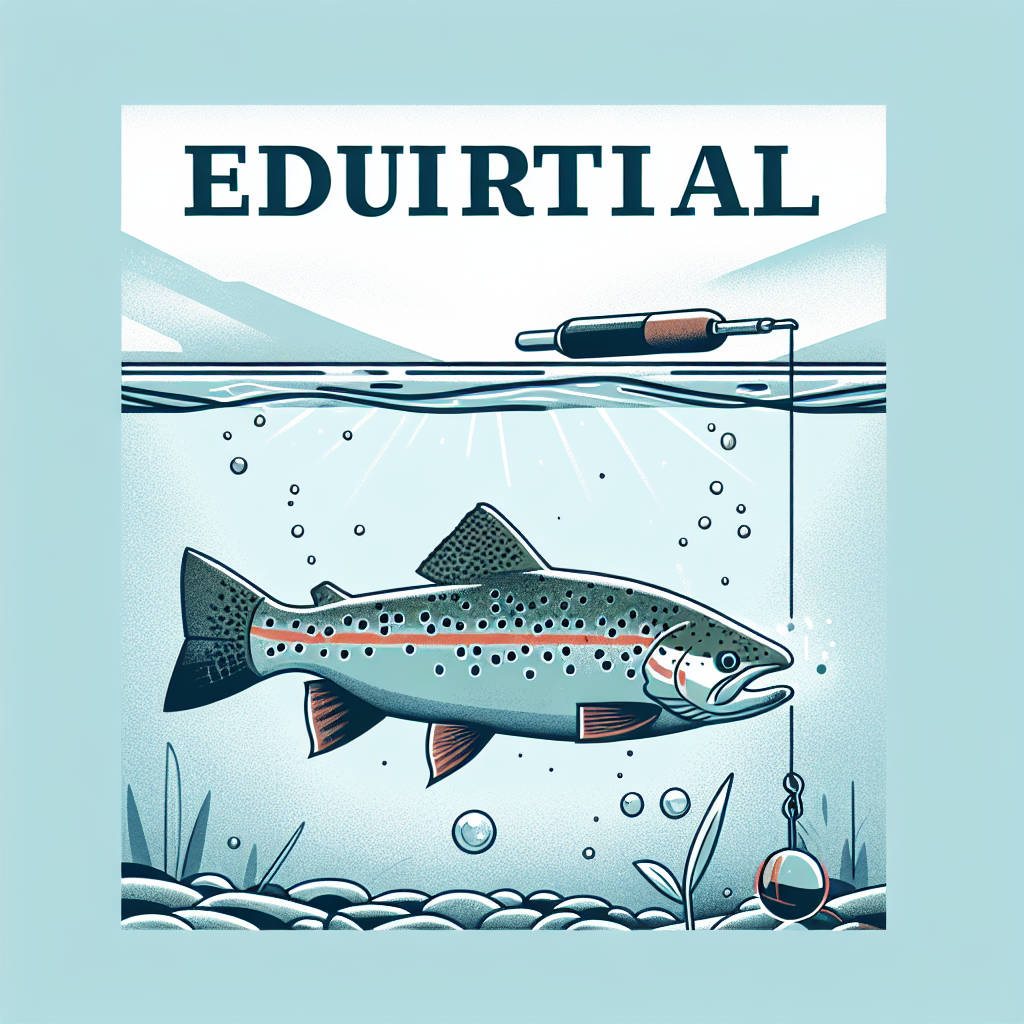
Understanding Trout Behavior for Better Fishing Success
Introduction
Trout fishing is a beloved pastime for many anglers, but success on the water often hinges on understanding the behavior of these elusive fish. By grasping the nuances of trout behavior, you can significantly enhance your fishing experience and increase your catch rate. This article delves into the key aspects of trout behavior, offering practical tips to help you adapt your strategies for more successful fishing.
Understanding Trout Habitats
Before you can effectively target trout, it’s essential to understand their preferred habitats. Trout are typically found in cold, clear waters, and their behavior can vary based on the environment. Key factors influencing trout habitats include:
- Water Temperature: Trout thrive in cool temperatures, usually between 50°F and 65°F.
- Oxygen Levels: High oxygen levels are crucial for trout survival, making fast-moving waters ideal.
- Food Sources: Trout are opportunistic feeders, often found in areas where food is abundant, such as near structures like rocks and logs.
Seasonal Behavior Patterns
Trout behavior changes with the seasons, impacting their feeding patterns and locations. Understanding these seasonal nuances can significantly improve your fishing strategy.
- Spring: As the water warms, trout become more active and move to shallower waters to feed on insects.
- Summer: In warmer months, trout may seek cooler, deeper areas during the day but can be found feeding in shallows during early morning and late evening.
- Autumn: Trout begin to prepare for winter, often feeding heavily in preparation for colder temperatures.
- Winter: Trout metabolism slows; they may become less active and retreat to deeper waters.
Feeding Behavior and Diet
Understanding what trout eat can provide insight into when and where to fish. Trout primarily feed on the following:
- Insects: Nymphs, larvae, and adult insects are staples in a trout’s diet.
- Small Fish: Larger trout may feed on smaller fish, particularly in waters with abundant baitfish.
- Crustaceans: In some habitats, crustaceans like crayfish are significant food sources.
Matching your fly selection with the current hatch can increase your chances of success. Pay attention to the insects present on the water’s surface and adjust your flies accordingly.
Behavioral Cues to Observe
Being observant on the water can provide valuable insights into trout behavior. Look for these cues:
- Rising Fish: When you see trout feeding at the surface, it’s a good sign they are actively hunting.
- Water Disturbances: Bubbles and surface ripples can indicate feeding activity below.
- Color Changes: Water clarity can affect trout behavior; murky waters may lead to more cautious feeding.
Common Mistakes to Avoid
Even seasoned anglers can make mistakes that hinder their success. Here are some common pitfalls to watch for:
- Ignoring Water Temperature: Failing to consider water temperature can result in targeting trout when they are less active.
- Overcasting: Too much noise can scare trout away; practice quiet casting techniques.
- Not Matching the Hatch: Using flies that don’t resemble the local insect population can lead to fewer bites.
Conclusion
Understanding trout behavior is essential for improving your fishing success. By recognizing their habitats, seasonal patterns, feeding behaviors, and the common mistakes to avoid, you can adapt your strategies for more effective fishing. Remember to remain observant and adjust your approach based on the conditions you encounter. With time and practice, you’ll find yourself reeling in more trout than ever before, making your fishing trips more enjoyable and fulfilling.