Photography Tips for Capturing Your Fishing Memories
01/12/2026
The Role of Weather in Fly Fishing Strategy
01/12/2026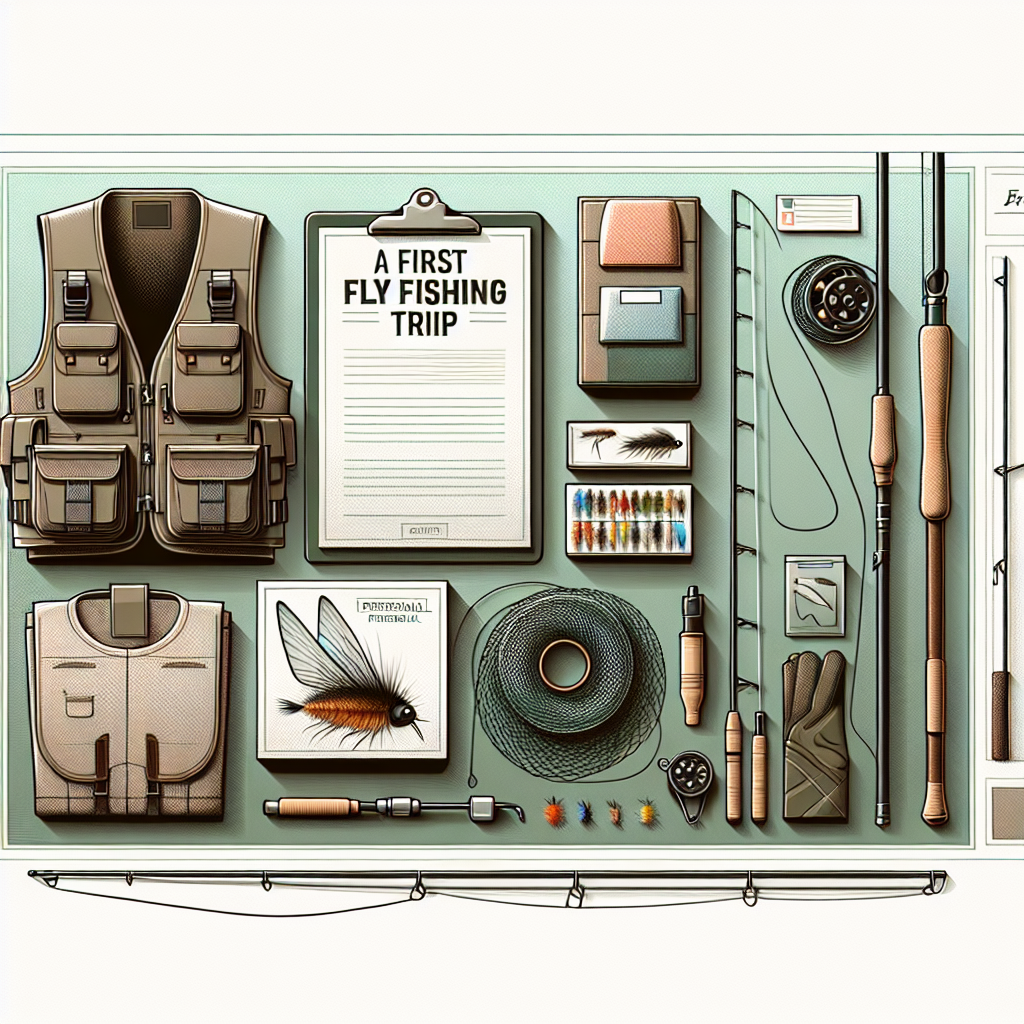
Planning Your First Fly Fishing Trip: A Checklist
Introduction
Fly fishing is not just a sport; it’s a blend of artistry and nature that provides a unique experience for anglers. If you are new to fly fishing, planning your first trip can be both exciting and daunting. Understanding the essential elements involved in a successful outing will help ensure you have a smooth and enjoyable experience.
This article serves as a comprehensive checklist to guide you through the planning process for your first fly fishing trip. From gear selection to understanding local regulations, we’ve got you covered.
Essential Gear for Fly Fishing
Your gear is crucial for a successful fly fishing trip. Here’s a list of the primary items you should consider:
- Fly Rod: Choose a rod that matches the type of fish you are targeting.
- Fly Reel: Ensure it is compatible with your rod and capable of holding the appropriate line.
- Fly Line: Select a line suited for your environment and the weight of your rod.
- Flies: Stock up on various flies that mimic local insects.
- Leader and Tippet: These are crucial for connecting your fly to the line and should be chosen based on the size of the fish.
- Waders: Depending on the water temperature, invest in breathable or neoprene waders.
- Net: A landing net will help you catch and release fish safely.
Researching Your Destination
Understanding where you will fish is just as important as having the right gear. Here are some tips for researching your destination:
- Local Regulations: Check fishing licenses, catch limits, and specific rules for the area.
- Water Conditions: Investigate the current water levels, temperature, and flow rate.
- Species Available: Identify the species you want to target and their seasonal patterns.
- Access Points: Locate where you can enter the water safely and legally.
Timing Your Trip
The time of year can significantly affect your fly fishing success. Consider the following factors:
- Seasonal Patterns: Different fish species have varying peak seasons.
- Time of Day: Early mornings and late evenings are often the most productive times.
- Weather Conditions: Overcast days can enhance insect activity, improving your chances.
Practicing Your Casting Techniques
Before you hit the water, practice your casting techniques. Here are some suggestions:
- Find a Casting Instructor: Consider taking a lesson to improve your skills.
- Use a Practice Casting Pond: Many areas have designated ponds for practicing casting.
- Focus on Your Accuracy: Aim for specific targets to improve your precision.
Packing for Your Trip
When packing for your fly fishing adventure, consider the following items:
- Clothing: Dress in layers and choose moisture-wicking fabrics.
- Sun Protection: Bring sunscreen, sunglasses, and a hat to protect against UV rays.
- First Aid Kit: Always be prepared for minor injuries or insect bites.
- Snacks and Water: Stay hydrated and energized throughout the day.
Common Mistakes to Avoid
As a beginner, it’s essential to learn from the experience of others. Here are some common mistakes to avoid:
- Overpacking: Bring only what you need to minimize bulk.
- Ignoring Regulations: Always adhere to local regulations to avoid fines.
- Neglecting Knot Tying: Practice tying knots to ensure you can set up quickly.
Conclusion
Planning your first fly fishing trip doesn’t have to be overwhelming. By following this checklist, you’ll be well-equipped to enjoy a successful day on the water. Remember the importance of preparation, research, and practice. With the right gear, knowledge about your destination, and a positive mindset, you’ll create lasting memories on your fly fishing journey. Happy fishing!