

The Importance of Local Knowledge in Fly Fishing
01/12/2026
Environmental Factors That Affect Fly Fishing Success
01/12/2026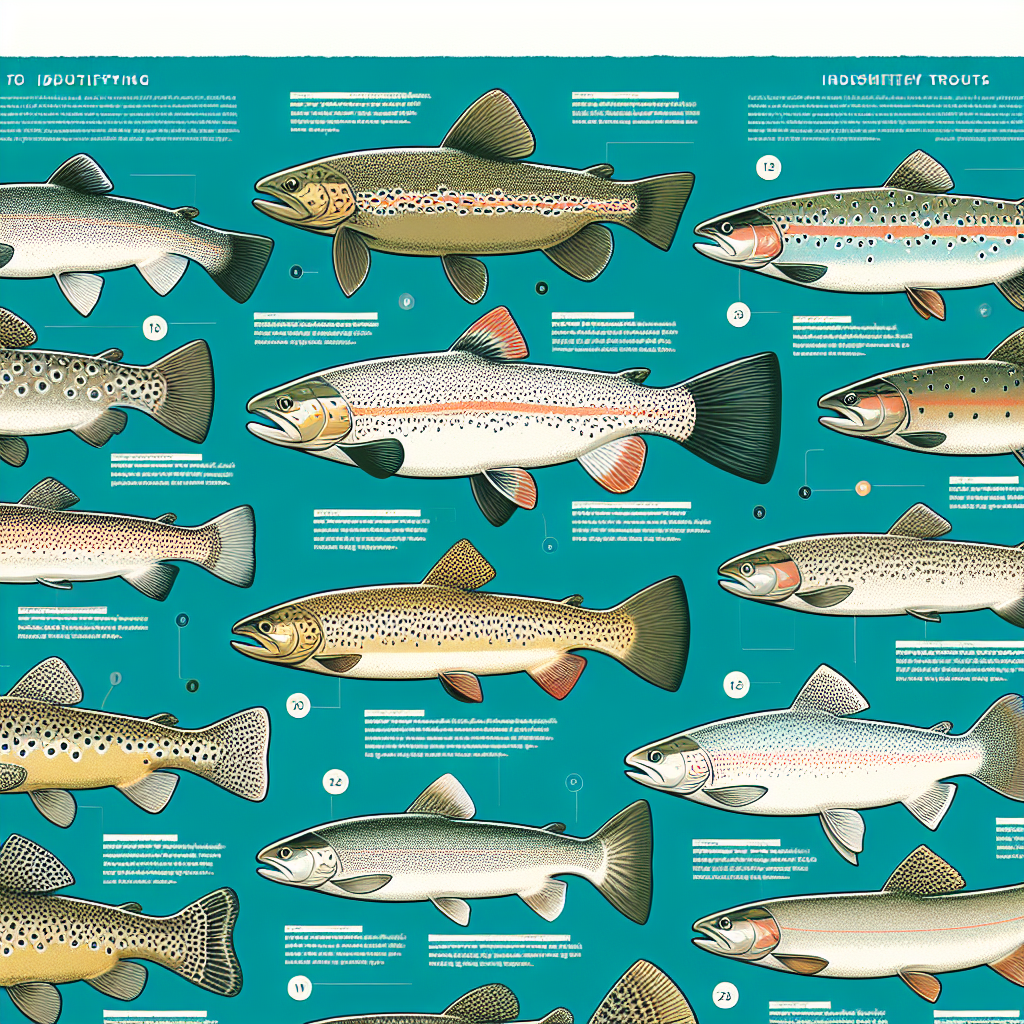
How to Identify Common Trout Species Easily
Introduction
Identifying common trout species is an essential skill for any angler, whether you’re a novice or an experienced fisherman. Understanding the different species not only enhances your fishing experience but also helps you select the appropriate gear, bait, and techniques to catch them effectively. In this article, we will explore the most common trout species, their characteristics, and tips for identification.
Common Trout Species
Trout are primarily classified into three main groups: Salmonidae, Oncorhynchus, and Salvelinus. Below, we will discuss the most common species you are likely to encounter.
Rainbow Trout
- Scientific Name: Oncorhynchus mykiss
- Coloration: Iridescent body with a pink stripe along the side
- Habitat: Found in rivers, streams, and lakes across North America
The rainbow trout is one of the most popular species among anglers. Its vibrant colors and aggressive feeding habits make it a favorite in both stocked and wild waters. Look for the signature pink stripe and small black spots on their back and fins.
Brown Trout
- Scientific Name: Salmo trutta
- Coloration: Brownish body with darker spots
- Habitat: Prefers cooler waters, commonly found in rivers and lakes
Brown trout are known for their elusive nature and adaptability. They can thrive in a variety of habitats and are often found in faster currents. Their coloration can vary significantly, but they usually exhibit a brownish hue with darker spots.
Brook Trout
- Scientific Name: Salvelinus fontinalis
- Coloration: Dark green to blue-green with vibrant red spots
- Habitat: Often found in cold, clean streams and lakes
Brook trout are stunning fish, often characterized by their colorful spots and worm-like markings on their back. They are less tolerant of warm waters, making them indicators of healthy ecosystems.
Lahontan Cutthroat Trout
- Scientific Name: Oncorhynchus clarkii henshawi
- Coloration: Olive-green body with reddish slash marks on the jaw
- Habitat: Found in high-altitude lakes and rivers in the western U.S.
The Lahontan cutthroat trout is one of the largest inland trout species. Their distinctive red slash marks and large size make them relatively easy to identify. They prefer cold, high-elevation waters and are often targeted in remote locations.
Tips for Identifying Trout Species
Here are some practical tips to help you identify trout species effectively:
- Examine the coloration and pattern on the fish’s body.
- Note the size and shape of the fish, as different species have unique body structures.
- Observe the habitat; some trout prefer specific environments.
- Familiarize yourself with the geographical location, as certain species are endemic to specific regions.
- Use a field guide or fishing app for reference while on the water.
Common Mistakes When Identifying Trout
Even experienced anglers can make mistakes when identifying trout species. Here are a few common errors to avoid:
- Ignoring habitat preferences; some species thrive in specific water conditions.
- Overlooking size and age variations within a species.
- Assuming all trout with similar colors are the same species.
- Failing to consider seasonal changes that might affect coloration and behavior.
Conclusion
Identifying common trout species is a vital skill that enhances your fishing experience and allows for targeted fishing strategies. By familiarizing yourself with the characteristics of species like rainbow, brown, brook, and Lahontan cutthroat trout, you can improve your chances of a successful catch. Remember to observe habitat preferences, coloration, and geographical locations to make accurate identifications. With practice and attention to detail, you’ll be well on your way to becoming proficient in the art of trout identification.