

Fly Tying 101: Essential Techniques for Beginners
01/12/2026
How to Identify Common Trout Species Easily
01/12/2026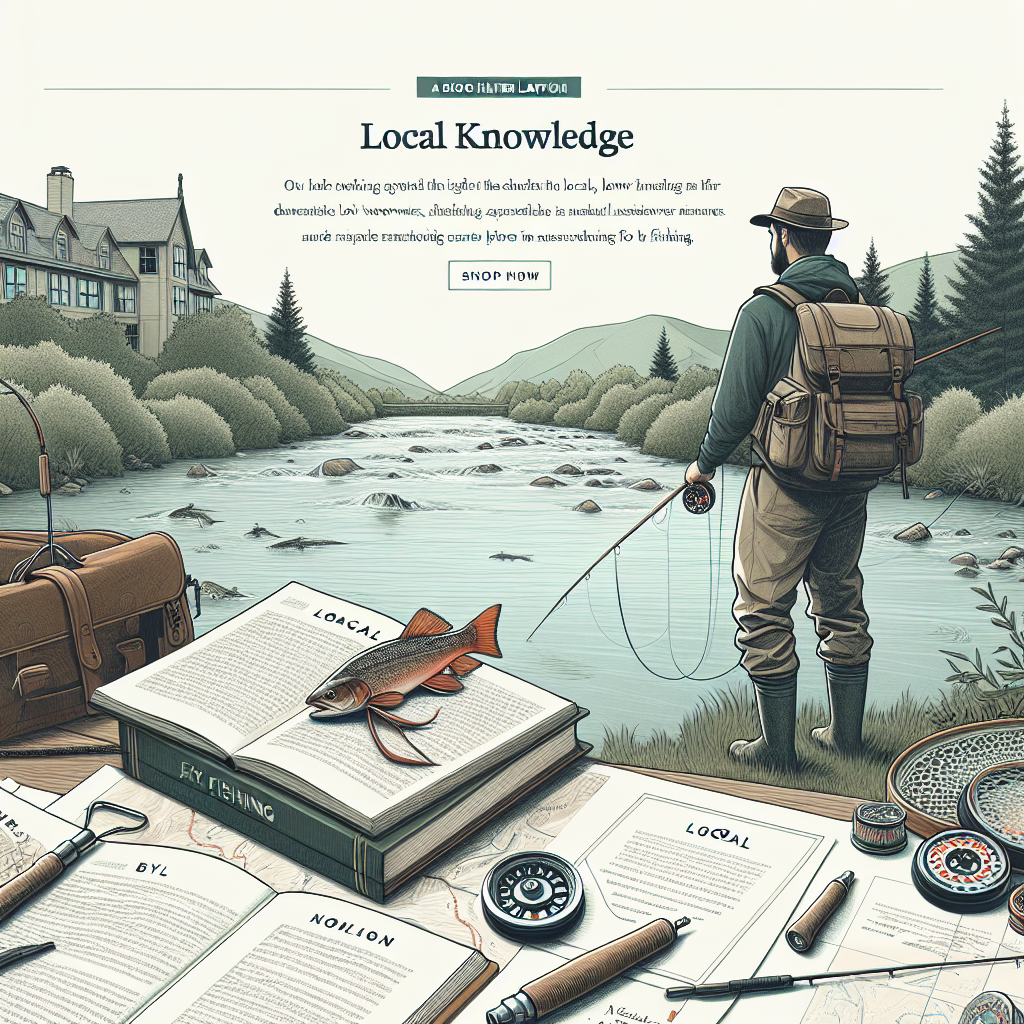
The Importance of Local Knowledge in Fly Fishing
The Importance of Local Knowledge in Fly Fishing
Fly fishing is an art that requires not only skill but also a deep understanding of local ecosystems. Whether you are casting your line in a serene mountain stream or a bustling river, local knowledge can significantly enhance your fishing experience. This article will explore the critical role that familiarity with local waters plays in successful fly fishing and provide practical tips and insights for anglers of all levels.
Understanding Local Ecosystems
Every fishing location has unique characteristics that influence fish behavior. Local ecosystems affect water temperature, flow, and the types of insects present, all of which determine where fish feed and live. Here are some essential aspects of local ecosystems:
- Water Clarity: Different bodies of water have varying levels of transparency, impacting fish visibility.
- Temperature Variations: Fish are sensitive to temperature changes, which can affect their feeding patterns.
- Insect Life Cycle: Understanding which insects are prevalent can help you choose the right flies.
Local Fishing Regulations
Each region has its own set of fishing regulations, often designed to protect local fish populations and habitats. Familiarizing yourself with these rules is crucial:
- Check for seasonal closures and restrictions.
- Know the catch limits for each species.
- Be aware of designated fishing areas, which may vary based on local conservation efforts.
Building Relationships with Local Anglers
Connecting with local anglers can provide invaluable insights. Here’s how to leverage these relationships:
- Join local fishing clubs or forums to engage with experienced anglers.
- Attend community events to meet fellow fishing enthusiasts.
- Share your experiences and learn from others about their techniques and local knowledge.
Adapting Techniques to Local Conditions
Local knowledge allows anglers to adapt their techniques to specific conditions. Here are some techniques to consider:
- Matching the Hatch: Use flies that mimic the local insect population during their peak activity.
- Reading the Water: Understand how local structures like rocks and currents affect fish movement.
- Timing Your Trips: Fish may be more active during certain times of the day based on local weather patterns.
Common Mistakes to Avoid
While local knowledge is vital, many anglers still make avoidable mistakes. Be aware of the following:
- Ignoring seasonal changes that affect fish behavior and food sources.
- Overusing the same flies regardless of local conditions.
- Failing to respect local regulations, which can lead to fines and damage to the ecosystem.
Benefits of Local Knowledge in Fly Fishing
Utilizing local knowledge can greatly enhance your fly fishing experience. Here are some benefits:
- Increased catch rates due to tailored techniques and fly choices.
- A deeper appreciation for the local environment and its conservation.
- Improved skills through shared knowledge with local experts and enthusiasts.
Conclusion
In summary, local knowledge is an indispensable asset in fly fishing. It allows anglers to understand their environment, adhere to regulations, and adapt techniques for success. By engaging with local communities, learning about local ecosystems, and respecting fishing regulations, you can significantly improve your chances of a rewarding day on the water. Embrace the power of local knowledge, and watch your fly fishing skills soar.