

How to Teach Kids the Basics of Fly Fishing
01/12/2026
Sustainable Fly Fishing Practices for Conservation
01/12/2026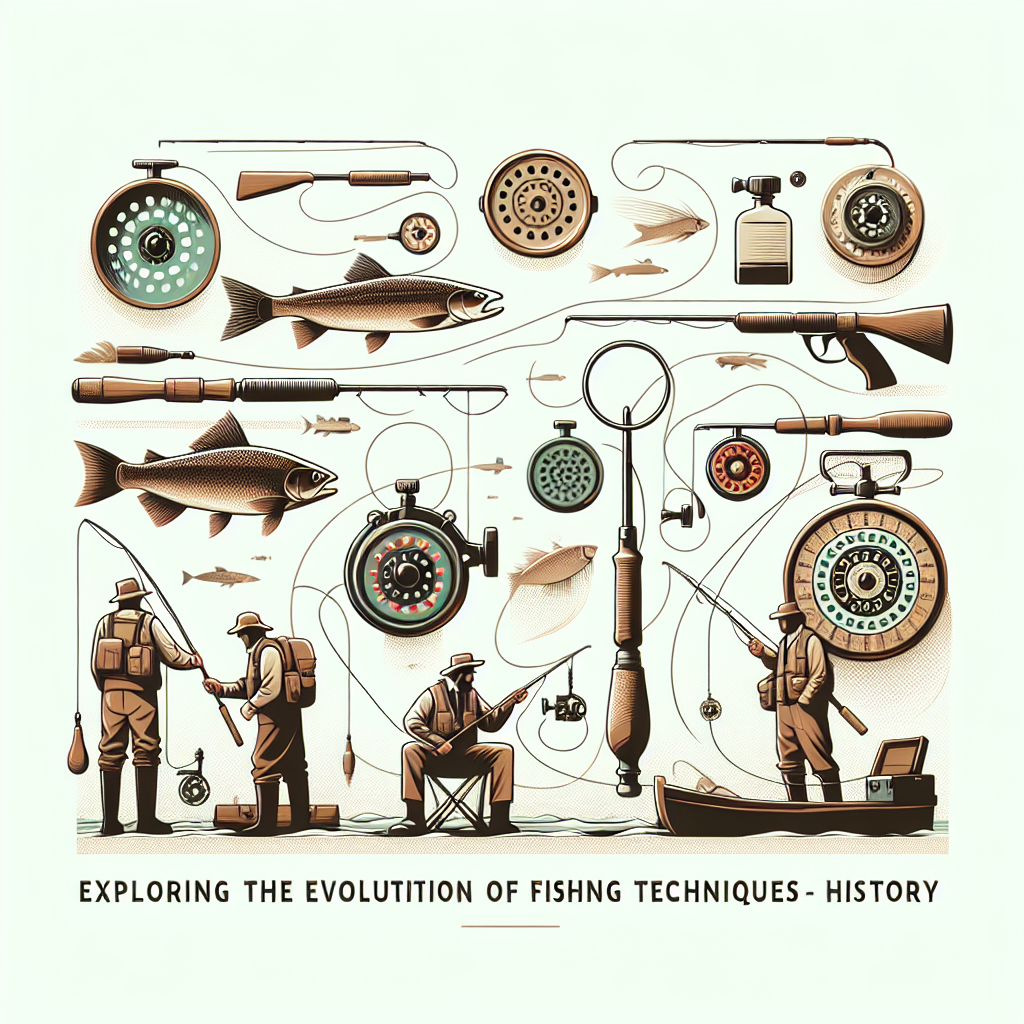
Exploring the Evolution of Fly Fishing Techniques
Introduction to Fly Fishing
Fly fishing is not just a method of catching fish; it is an art form that has evolved over centuries. From its origins in the ancient civilizations of Rome and Greece to modern techniques employed by anglers today, the evolution of fly fishing techniques reflects advancements in technology, materials, and understanding of fish behavior. This article will explore the historical context of fly fishing techniques and provide practical insights for both novice and seasoned anglers.
Understanding the evolution of fly fishing techniques helps anglers appreciate the rich history of the sport and enhances their fishing skills. By learning about past methods, contemporary anglers can adapt and apply these techniques more effectively in today’s fishing environment.
The Historical Context of Fly Fishing
Early Beginnings
Fly fishing dates back to the Roman era, where evidence suggests that fishing with artificial flies was practiced. The first recorded mention appeared in “The Art of Angling” by Apicius. However, it wasn’t until the 14th century in England that fly fishing began to take a more recognizable form. Early methods involved handmade flies crafted from feathers and fur, aimed primarily at catching trout.
Technological Advancements
The 19th century marked a significant turning point in fly fishing evolution. The introduction of modern materials such as silk for line and various synthetic materials for flies allowed for more effective casting and realistic fly presentation. This period also saw the development of the first specialized fly rods, which were lighter and more flexible than their predecessors, enabling anglers to cast longer distances with greater precision.
Modern Techniques and Their Evolution
Casting Techniques
As fly fishing has evolved, so have the casting techniques. Early methods involved simple overhead casts. Today, anglers utilize a variety of casting styles, each suited for different fishing scenarios:
- Overhead Cast: The go-to technique for most situations.
- Roll Cast: Ideal for tight spaces where backcasting is restricted.
- Sidearm Cast: Effective for low-hanging branches or obstacles.
- Double Haul: Used for increased line speed and distance.
- Spey Casting: A technique popularized for river fishing, especially in the UK.
Reading Water
Understanding how to read water has become a crucial aspect of modern fly fishing. The ability to identify where fish are likely to be located can significantly increase catch rates. Key indicators include:
- Current breaks: Areas where the current slows, providing shelter for fish.
- Structure: Rocks, logs, and vegetation that offer hiding spots.
- Depth changes: Drop-offs and shelves where fish congregate.
Matching the Hatch
One of the most refined skills in fly fishing is mastering entomology to match the hatch. Understanding the life cycles of aquatic insects helps anglers select the right flies. Common insects include:
- Mayflies: Known for their delicate bodies and short life spans.
- Caddisflies: Often found in fast-moving waters.
- Stoneflies: Indicators of clean, cold water.
By choosing flies that closely resemble these insects, anglers can significantly improve their chances of a successful catch.
Common Mistakes in Fly Fishing
Even experienced anglers can fall victim to common mistakes. Avoiding these pitfalls can enhance your fly fishing experience:
- Not adapting to changing conditions.
- Using incorrect flies for the season.
- Failing to observe the behavior of fish.
- Neglecting to practice casting regularly.
Conclusion
The evolution of fly fishing techniques is a fascinating journey that highlights the blend of tradition and innovation in the sport. From ancient methods to contemporary practices, understanding this evolution equips anglers with the knowledge to enhance their skills and increase their success rates. Whether you are casting a line for the first time or are an experienced angler seeking to refine your craft, incorporating these historical insights and modern techniques will undoubtedly enrich your fly fishing experience.