
Seasonal Fly Patterns: What to Use and When
01/12/2026
Improving Your Casting Accuracy with These Tips
01/12/2026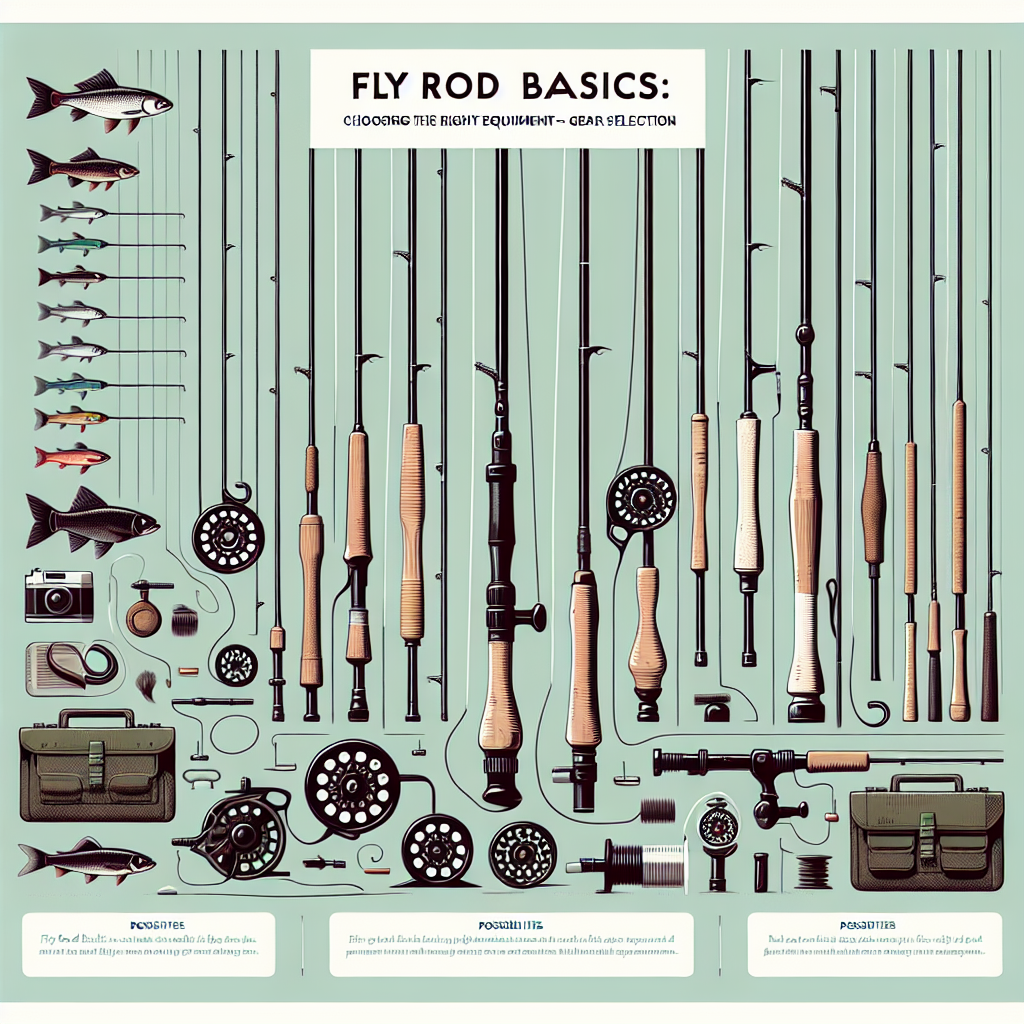
Fly Rod Basics: Choosing the Right Equipment
Introduction to Fly Rods
Choosing the right fly rod is crucial for any angler looking to enhance their fly fishing experience. With so many options available, from rod length to action and material, understanding the fundamentals can significantly impact your performance on the water. This guide will help you navigate the essentials of fly rod selection, ensuring you make informed decisions tailored to your fishing needs.
Understanding Fly Rod Components
Before diving into the selection process, it’s essential to grasp the basic components of a fly rod. A typical fly rod consists of:
- Blank: The main shaft of the rod, which determines its overall action and performance.
- Guides: The rings that allow the fly line to glide through smoothly.
- Reel Seat: The part of the rod where the reel is attached.
- Grip: The handle, which provides comfort and control during casting.
Choosing the Right Length
The length of your fly rod can greatly influence your fishing technique and effectiveness. Here are some common lengths and their typical uses:
- 6 to 7 feet: Ideal for small streams and tight spaces.
- 8 to 9 feet: Versatile for various freshwater fishing situations.
- 10 feet and longer: Suitable for casting long distances and for larger rivers.
Selecting a rod length that matches your fishing environment can improve your casting ability and increase your chances of landing fish.
Understanding Rod Action
Rod action refers to how the rod flexes when pressure is applied. It can be classified into three main categories:
- Fast Action: Flexes mostly at the tip; ideal for long casts and windy conditions.
- Medium Action: Offers a balance between flexibility and power; versatile for various techniques.
- Slow Action: Flexes throughout the rod; perfect for delicate presentations and small flies.
Choosing an action that aligns with your fishing style will enhance your casting accuracy and responsiveness.
Material Considerations
Fly rods are typically made from graphite, fiberglass, or bamboo. Here’s a brief overview of each material:
- Graphite: Lightweight, strong, and sensitive; the most popular choice for modern fly rods.
- Fiberglass: Heavier and more forgiving; ideal for beginners or those fishing with lighter techniques.
- Bamboo: Traditional and aesthetically pleasing; often favored by purists for its craftsmanship.
Your choice of material should align with your personal preference and the fishing conditions you expect to encounter.
Matching Rod Weight to Target Species
Rod weight is essential for matching your rod to the species you intend to catch. The weight rating is typically measured in grains (or weight classes) and helps determine the appropriate line to use. Here’s a general guideline:
- 1-3 weight: Small trout and panfish.
- 4-6 weight: Most freshwater species, including larger trout and bass.
- 7-10 weight: Saltwater species and larger freshwater fish like pike or salmon.
Choosing the right rod weight ensures that you have the right power to effectively cast and control your line.
Avoiding Common Mistakes
Here are some common pitfalls to avoid when choosing your fly rod:
- Overestimating your skill level; start with a rod suited for beginners.
- Neglecting to consider the fishing environment and species targeted.
- Choosing a rod without testing it; hold the rod and practice casting.
Conclusion
Selecting the right fly rod is a fundamental step for both novice and seasoned anglers. By understanding the components, length, action, material, and weight, you can make informed decisions that enhance your fly fishing experience. Avoid common mistakes by assessing your skill level and fishing conditions, and take the time to test out different rods. With the right equipment in hand, you can focus on enjoying the art of fly fishing and improving your skills on the water.