
Top Mistakes Beginners Make in Fly Fishing
01/12/2026
Seasonal Fly Patterns: What to Use and When
01/12/2026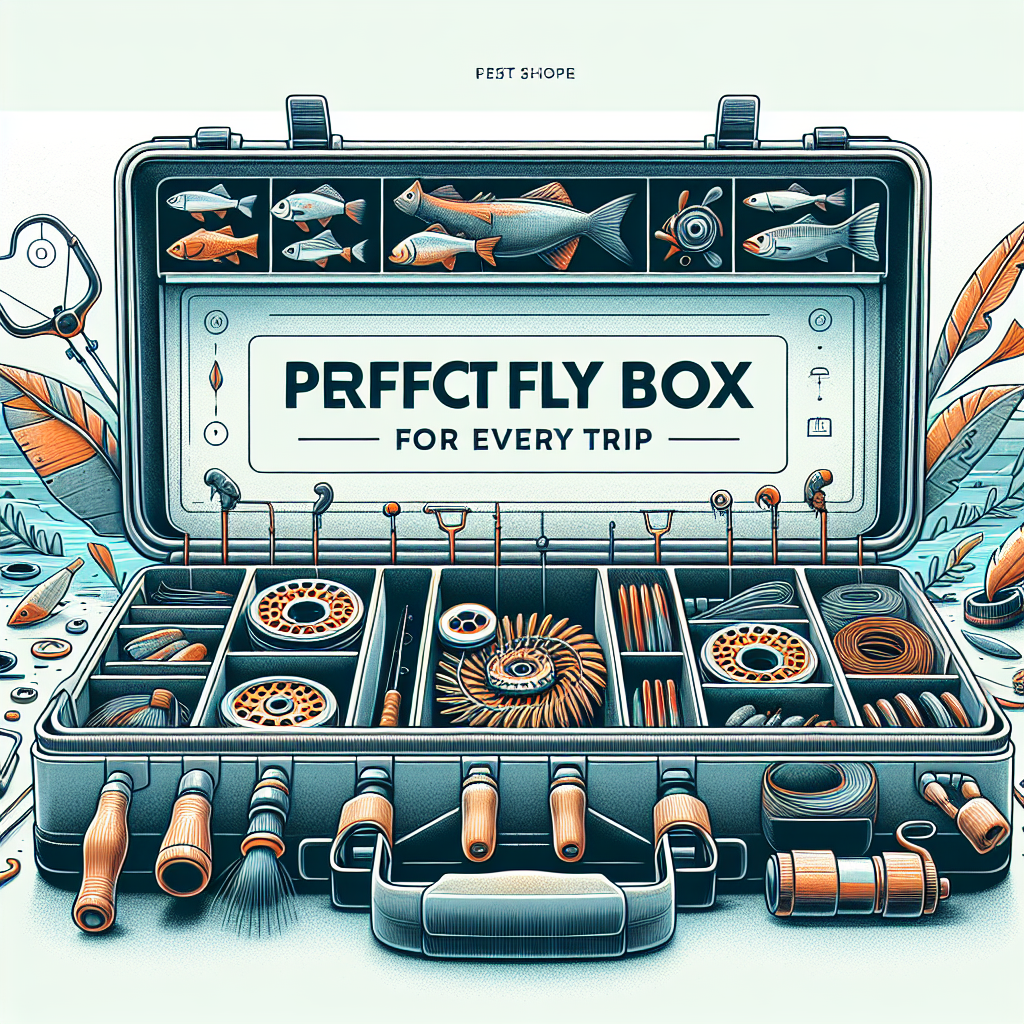
Creating the Perfect Fly Box for Every Trip
Introduction
For any fly fishing enthusiast, having the right flies is crucial to a successful day on the water. A well-organized fly box is not just a storage solution; it is a strategic tool that can significantly enhance your fishing experience. In this article, we will explore how to create the perfect fly box tailored to your fishing trips, ensuring you are always prepared for whatever the day may bring.
Understanding Your Fishing Needs
The first step in creating the ideal fly box is understanding your specific fishing needs. Different waters and conditions require different types of flies. Consider the following factors:
- Location: Freshwater or saltwater fishing can dictate your fly selection.
- Season: Certain flies work better in specific seasons, so adjust your selection accordingly.
- Species: Targeting trout, bass, or saltwater species will require different flies.
Choosing the Right Flies
Once you understand your fishing needs, it’s time to select the flies that will fill your box. Here are some essential categories to consider:
- Dry Flies: Essential for surface fishing, particularly in warmer months.
- Nymphs: Useful for subsurface fishing; a staple for trout anglers.
- Streamers: Effective for larger predatory fish, often used in freshwater and saltwater.
- Wet Flies: Great for imitating emerging insects just below the surface.
- Specialty Flies: Consider including local favorites or unique patterns that work well in your area.
Organizing Your Fly Box
Organization is key to efficiency when you’re out on the water. Here are some tips for organizing your fly box:
- Use Sections: Divide your box into sections based on fly type or size.
- Labeling: Clearly label each section to quickly find what you need.
- Prioritize: Place frequently used flies in easily accessible areas.
- Regular Maintenance: Check your fly box regularly to replace worn or damaged flies.
Common Mistakes to Avoid
Creating the perfect fly box can be challenging, and there are a few pitfalls to avoid:
- Overpacking: Avoid cramming too many flies into your box; it complicates organization.
- Ignoring Local Conditions: Always adjust your fly selection based on current local conditions.
- Neglecting Maintenance: Regularly inspect and replenish your flies to ensure readiness.
Real-World Examples
Consider the following scenarios when building your fly box:
- Mountain Stream Fishing: Pack a variety of small dry flies and nymphs for quick strikes.
- Warm Water Fishing: Include larger streamers and poppers to attract aggressive fish.
- Saltwater Adventures: Focus on deceivers and clouser minnows to match local baitfish.
Additional Tips for a Successful Fly Box
Here are some final tips to enhance your fly box strategy:
- Consider Weather Conditions: Pack extra flies for changes in weather, such as heavier nymphs for rainy days.
- Test New Flies: Always be open to trying new patterns that may be recommended by local guides.
- Use a Waterproof Box: Protect your flies from the elements with a durable, waterproof fly box.
Conclusion
Creating the perfect fly box is an essential aspect of successful fly fishing. By understanding your fishing needs, selecting the right flies, and organizing your box effectively, you can enhance your fishing experience. Avoid common mistakes and stay flexible to adapt your box for different fishing trips. With these strategies, you’ll be well-equipped to tackle any fishing adventure that comes your way.