

The Best Fly Fishing Locations for Beginners
01/12/2026
The Importance of Local Knowledge in Fly Fishing
01/12/2026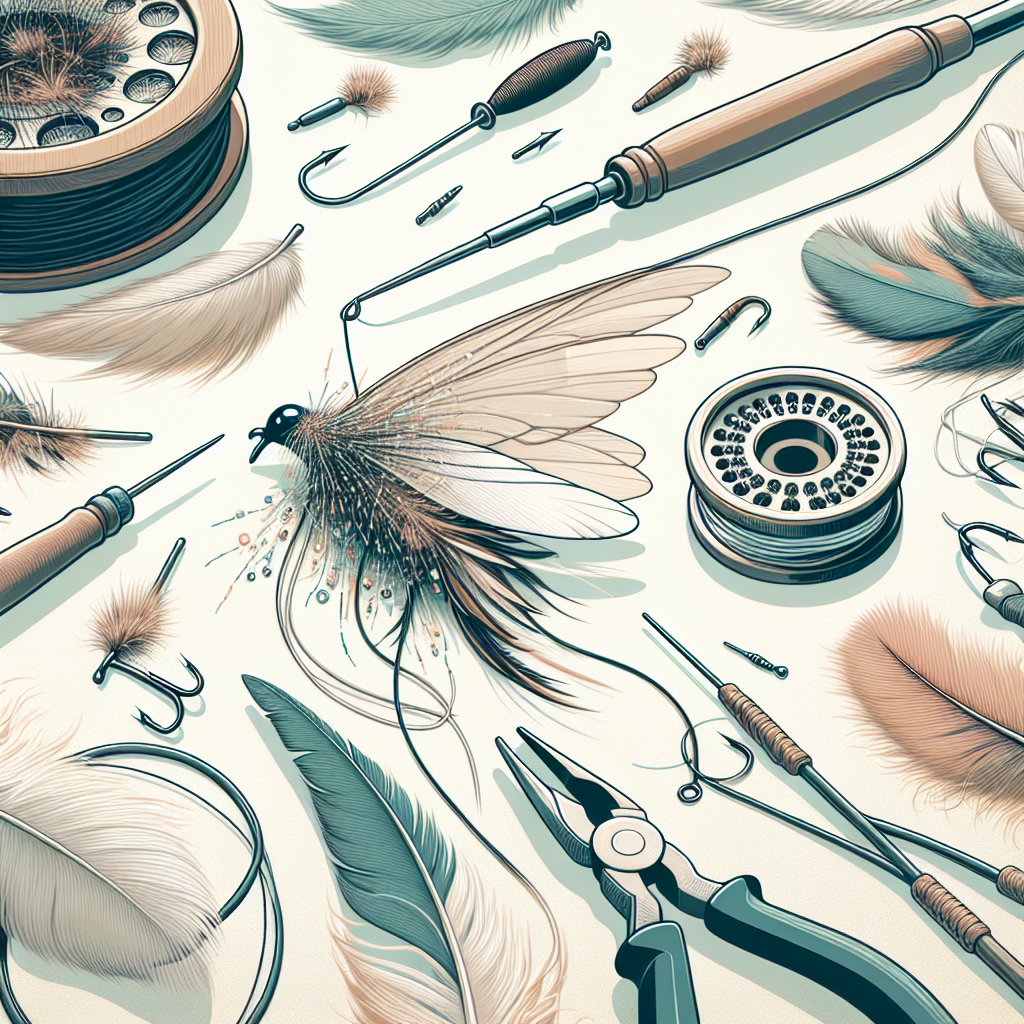
Fly Tying 101: Essential Techniques for Beginners
Introduction to Fly Tying
Fly tying is an art and a vital skill for any angler looking to enhance their fishing experience. This meticulous craft allows you to create custom flies that mimic natural insects, making your bait more attractive to fish. Whether you’re targeting trout, bass, or saltwater species, mastering fly tying can significantly improve your success on the water.
This guide will cover essential techniques for beginners, providing practical tips and insights to help you get started with fly tying.
Understanding the Basics of Fly Tying
Before you dive into the actual tying process, it’s crucial to understand some basic concepts.
- Materials: Familiarize yourself with the different materials used in fly tying, including hooks, threads, and various natural and synthetic fibers.
- Tools: Invest in basic tools such as a vise, scissors, bobbin holder, and hackle pliers.
- Fly Types: Learn about various fly types, including dry flies, wet flies, nymphs, and streamers.
Choosing the Right Tools and Materials
Your first step in fly tying is selecting the appropriate tools and materials. Here’s a breakdown of essential items:
- Fly Tying Vise: A good vise holds your hook securely, allowing for easy manipulation.
- Scissors: Sharp scissors are necessary for trimming materials accurately.
- Bobbin Holder: This tool keeps your thread taut while you work.
- Hackle Pliers: These are useful for wrapping hackle feathers around the hook.
- Thread: Choose threads based on strength and color to enhance your flies.
Essential Fly Tying Techniques
Now that you have your tools and materials, it’s time to learn some fundamental techniques that will serve you well in your fly tying journey.
1. The Whip Finish
The whip finish is a method used to secure the thread at the end of your fly. It’s a crucial technique that prevents your fly from unraveling.
- Wrap the thread around the hook shank multiple times.
- Create a loop with your thread and pass it around the wraps.
- Pull tight to secure the finish.
2. The Half Hitch
This simple knot is often used throughout the tying process to temporarily secure your thread. It’s quick and easy.
- Form a loop with your thread.
- Pass the end through the loop and pull tight.
3. Material Handling
Properly handling your materials is essential for effective fly tying. Here are some tips:
- Keep materials organized and within reach.
- Use a light touch when tying delicate materials like feathers.
- Experiment with different techniques to create varied textures.
Avoiding Common Mistakes
As a beginner, you may encounter several common pitfalls in fly tying. Here are some mistakes to watch out for:
- Not using a sturdy vise: A poor-quality vise can lead to frustration.
- Overloading the hook with materials: This can make your flies less effective.
- Neglecting to secure knots properly: Always double-check your finishes.
Benefits of Fly Tying
Mastering fly tying offers numerous benefits to anglers:
- Customization: Create flies tailored to specific fishing conditions.
- Cost-Effective: Save money by tying your own flies instead of purchasing commercially.
- Satisfaction: Experience the joy of catching fish on flies you’ve tied yourself.
Conclusion
Fly tying is a rewarding skill that enhances your fishing adventures. By understanding the basics, mastering essential techniques, and avoiding common mistakes, you can create effective flies that increase your chances of success on the water. Remember, practice is key, so don’t be discouraged by early challenges. Embrace the learning process, and soon you’ll find yourself mastering the art of fly tying.