
Creating the Perfect Fly Box for Every Trip
01/12/2026
Fly Rod Basics: Choosing the Right Equipment
01/12/2026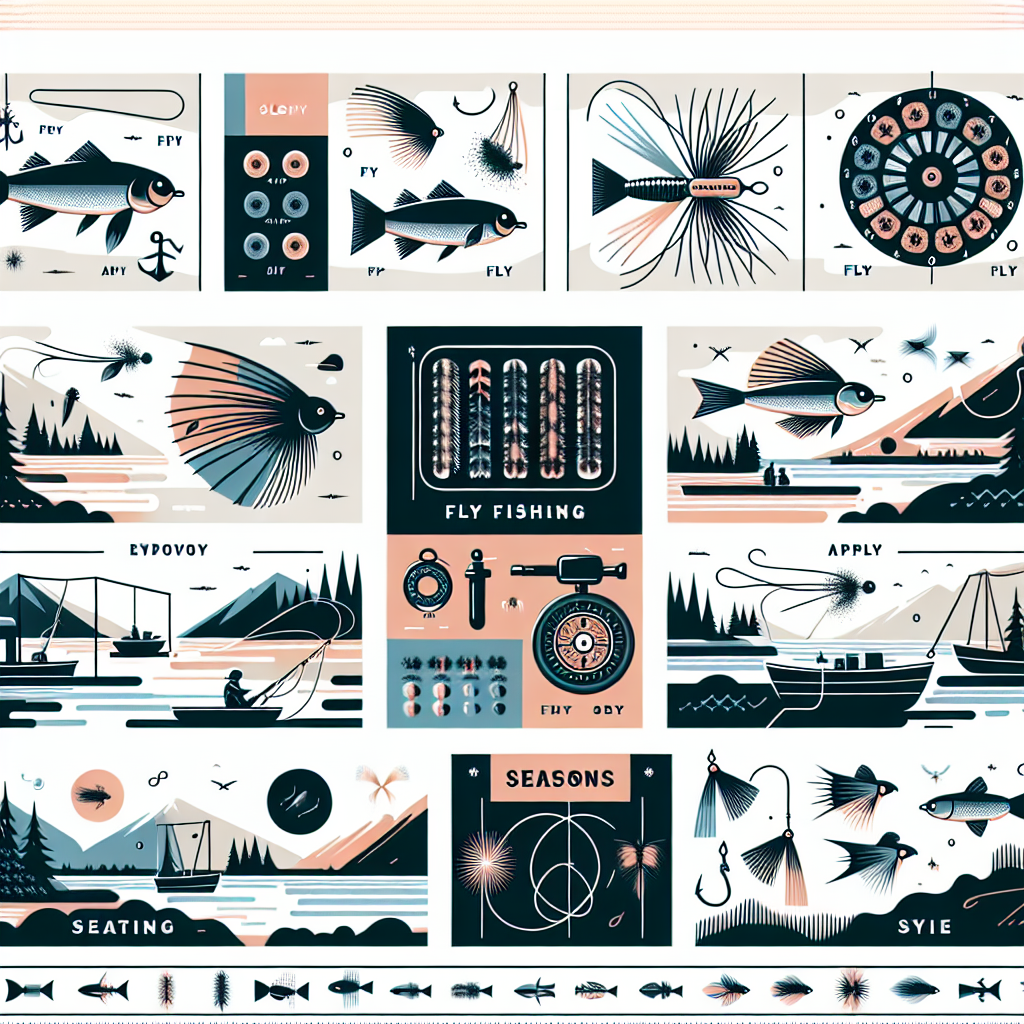
Seasonal Fly Patterns: What to Use and When
Introduction to Seasonal Fly Patterns
Understanding seasonal fly patterns is essential for any angler looking to improve their catch rate. Matching the hatch with the right fly can make all the difference in your fishing success. Different insects emerge throughout the year, and knowing which flies to use for each season can help you target fish effectively.
This article will delve into seasonal fly patterns, highlighting what to use and when. We will cover the key insects of each season, recommended fly patterns, and tips to enhance your fishing experience.
Spring: The Awakening of Insects
As the ice melts and water temperatures rise, insects begin to hatch, making spring an exciting time for fly fishing. The primary insects to consider include:
- Caddisflies
- Mayflies
- Stoneflies
Recommended fly patterns for spring include:
- Dry Flies: Adams, Elk Hair Caddis
- Nymphs: Hare’s Ear, Pheasant Tail
- Streamers: Woolly Bugger
It’s crucial to observe water conditions and insect activity. A well-timed cast can yield impressive results.
Summer: Peak Insect Activity
Summer is often considered the prime fishing season, with a variety of insects hatching. Key insects during this time include:
- Terrestrials (grasshoppers, ants)
- Caddisflies
- Mayflies
For summer fishing, consider using:
- Dry Flies: Parachute Adams, Hopper Patterns
- Nymphs: Zebra Midge, Copper John
- Streamers: Clouser Minnow
During hot summer days, fish tend to feed in the early morning or late evening. Focus your efforts during these cooler times for better results.
Fall: A Transition Period
As autumn approaches, insects begin to dwindle, but some key patterns still emerge. Look for:
- Emerging mayflies
- Late-season caddis
- Terrestrials
Effective flies for fall include:
- Dry Flies: Blue-winged Olive, Last of the Hoppers
- Nymphs: Golden Stone Nymph, Baetis Nymph
- Streamers: Sculpin Patterns
Pay attention to the changing weather patterns. Fish often become more aggressive as they prepare for winter.
Winter: The Quiet Season
While winter fishing can be challenging, it is still possible to find success. Insects are less active, but some can still be targeted. Key insects include:
- Midges
- Small stones
- Winter caddis
Recommended flies for winter fishing are:
- Dry Flies: Midge Patterns
- Nymphs: Small Brassies, Midge Larva
- Streamers: Small Woolly Buggers
During winter, focus on deeper pools and slower currents where fish are likely to gather for warmth.
Common Mistakes to Avoid
As you learn about seasonal fly patterns, be aware of common mistakes:
- Ignoring local hatch reports
- Using the wrong size fly
- Not adjusting to changing weather conditions
Avoiding these pitfalls can significantly enhance your fly fishing experience.
Conclusion: Mastering Seasonal Fly Patterns
Understanding seasonal fly patterns is crucial for any angler aiming to increase their catch. By knowing which insects are prevalent in each season and matching them with the right flies, you can increase your success on the water. Remember to stay observant, adjust your tactics based on conditions, and continually learn from your experiences. Happy fishing!