
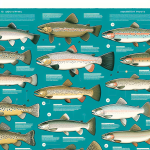
How to Identify Common Trout Species Easily
01/12/2026
Photography Tips for Capturing Your Fishing Memories
01/12/2026
Environmental Factors That Affect Fly Fishing Success
Introduction
Fly fishing is more than just a pastime; it’s an art that combines skill, knowledge, and an understanding of the environment. To be successful, anglers must consider various environmental factors that directly impact fish behavior and habitat. This article outlines key elements that can significantly influence your fly fishing success, providing practical insights for both beginners and experienced anglers.
Understanding Water Temperature
Water temperature is a crucial factor influencing fish activity. Different species of fish have preferred temperature ranges for optimal feeding and spawning. Generally, trout thrive in cooler waters, while warm-water species like bass prefer higher temperatures.
- Trout prefer water temperatures between 50°F and 65°F.
- Bass and panfish are often found in temperatures of 70°F and above.
- Hot summer days can lead to low oxygen levels, making fish less active.
Monitoring water temperature can help you choose the best times to fish, as fish are more likely to be active during their preferred temperature ranges.
Water Clarity and Visibility
Water clarity affects fish feeding behavior and the effectiveness of your flies. Clear water allows fish to see your offering more easily, but it also makes them more cautious. In contrast, murky waters can lead to more aggressive feeding but may require different tactics.
- In clear water, use natural-colored flies and longer leaders.
- In murky conditions, opt for brighter colors and shorter leaders to create visibility.
- Observe water clarity before fishing to adjust your strategy accordingly.
The Influence of Weather Conditions
Weather plays a significant role in fly fishing success. Factors such as cloud cover, wind, and precipitation can affect fish behavior and feeding patterns.
- Overcast days often lead to increased fish activity due to lower light levels.
- Wind can create ripples on the water, helping to conceal your presence.
- Rain can stimulate insect hatches, attracting fish to the surface.
Being aware of the weather forecast can help you plan your fishing trips to align with optimal conditions.
Understanding Insect Hatches
Matching the hatch is a fundamental concept in fly fishing that involves selecting flies that mimic the insects currently present in the water. Insect hatches are often influenced by environmental factors such as temperature, time of year, and water quality.
- Early morning and late evening are prime times for hatches.
- Warmer water temperatures can trigger more frequent hatches.
- Different species of fish respond to different insects, so research local hatches.
Keeping a fishing journal can help you track hatches and improve your success over time.
Impact of Water Flow and Levels
Water flow and levels can dramatically influence fish behavior and habitat. High water flow can make fish seek refuge in slower water areas, while low levels can concentrate fish in deeper pools.
- Fish are generally more active in moderate flow conditions.
- During heavy rains, increased flows can wash away food sources, impacting feeding.
- Regularly check local river gauges for water conditions.
Understanding how water levels affect fish can guide your choice of locations and techniques.
Common Mistakes Anglers Make
Even experienced anglers can overlook environmental factors that influence fishing success. Here are some common mistakes to avoid:
- Ignoring water temperatures and fishing outside optimal ranges.
- Failing to match flies with current insect hatches.
- Not adjusting tactics based on weather conditions.
Conclusion
Success in fly fishing is greatly influenced by environmental factors such as water temperature, clarity, weather conditions, insect hatches, and water flow. By understanding and adapting to these elements, anglers can significantly improve their chances of landing fish. Remember to observe your surroundings, keep track of conditions, and adjust your strategies accordingly. With knowledge and practice, you can enhance your fly fishing experience and become a more successful angler.