Reading Water: How to Find the Best Spots
01/12/2026
Top Mistakes Beginners Make in Fly Fishing
01/12/2026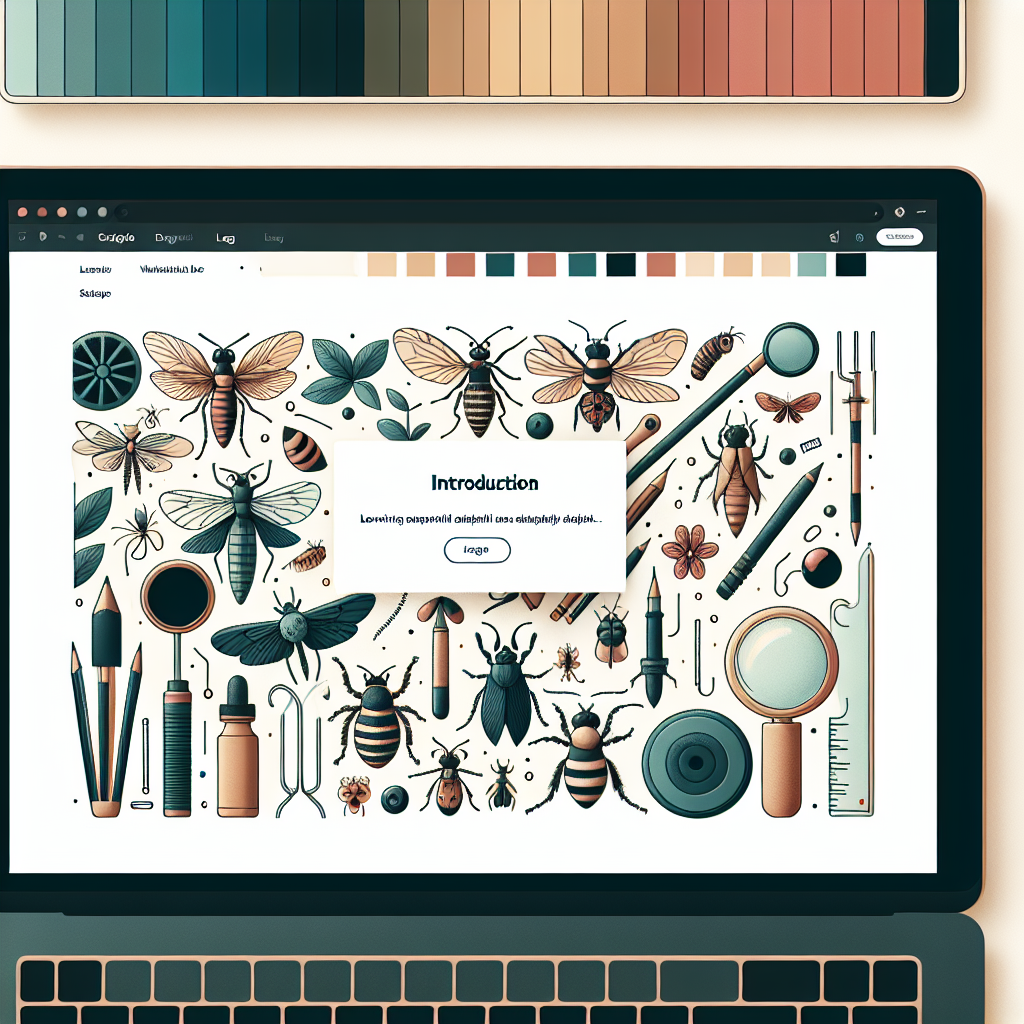
Match the Hatch: An Introduction to Entomology
Introduction to Entomology in Fly Fishing
Understanding entomology is crucial for any angler looking to improve their fly fishing skills. The term refers to the study of insects, which play a vital role in the aquatic ecosystem. By learning to “match the hatch,” anglers can select the most effective flies that imitate the local insects, thus increasing their chances of a successful catch.
This article will explore the basics of entomology, the importance of matching the hatch, and practical tips for anglers of all skill levels. Whether you’re a beginner or an experienced fly fisher, understanding the relationship between insects and fish can significantly enhance your fishing experience.
What is Matching the Hatch?
Matching the hatch involves selecting flies that resemble the species of insects currently active in the water where you are fishing. This requires knowledge of various insect life cycles, seasonal variations, and local aquatic habitats.
The Life Cycle of Insects
Insects undergo several stages throughout their life cycle: egg, larva, pupa, and adult. Each stage has distinct characteristics that fish may target. Here are the main types of aquatic insects you should know:
- Mayflies: Known for their delicate bodies and upright wings.
- Caddisflies: Often found in cases made of twigs and stones.
- Stoneflies: Have a stout body and are generally larger.
- Midges: Small, often overlooked, but crucial for fish diets.
- Terrestrial Insects: Ants, grasshoppers, and beetles that fall into the water.
Why is Matching the Hatch Important?
Matching the hatch is vital for several reasons:
- Increased Success: Fish are more likely to bite flies that closely resemble their natural food.
- Understanding Fish Behavior: Knowing what insects are active helps predict where fish will be feeding.
- Seasonal Adaptation: Insects vary by season, so adapting your strategy is essential for consistent success.
Common Mistakes in Matching the Hatch
Even seasoned anglers can make mistakes when it comes to matching the hatch. Here are some common pitfalls:
- Ignoring Local Insect Life: Not researching local hatches can lead to poor fly selections.
- Overlooking Size: The size of the fly must match the size of the insects present.
- Neglecting Color: Color can be as important as shape in attracting fish.
Practical Tips for Matching the Hatch
To maximize your effectiveness in matching the hatch, consider the following strategies:
- Observe the Water: Spend time watching for rising fish and the insects they are targeting.
- Carry a Variety of Flies: Have a selection of flies in different sizes, colors, and patterns.
- Learn Seasonal Patterns: Familiarize yourself with the hatches that occur throughout the year.
- Use Insect Traps: Set up traps in the water to identify the active species.
Real-World Examples
In practice, matching the hatch can lead to remarkable fishing experiences. For instance, when fishing a river during the mayfly hatch in spring, anglers who use mayfly patterns like the Adams or the Blue Winged Olive often find themselves with a productive day on the water. Conversely, using a generic terrestrial pattern could yield little success.
Conclusion
Understanding the basics of entomology and mastering the art of matching the hatch can significantly enhance your fly fishing skills. By familiarizing yourself with the local insect life, observing the water, and adapting your fly selections accordingly, you can improve your chances of a successful catch. Always remember to avoid common mistakes and continuously learn about seasonal patterns to stay ahead of the game. With these foundational principles, you are well-equipped to tackle the waters with confidence.