
Exploring the Evolution of Fly Fishing Techniques
01/12/2026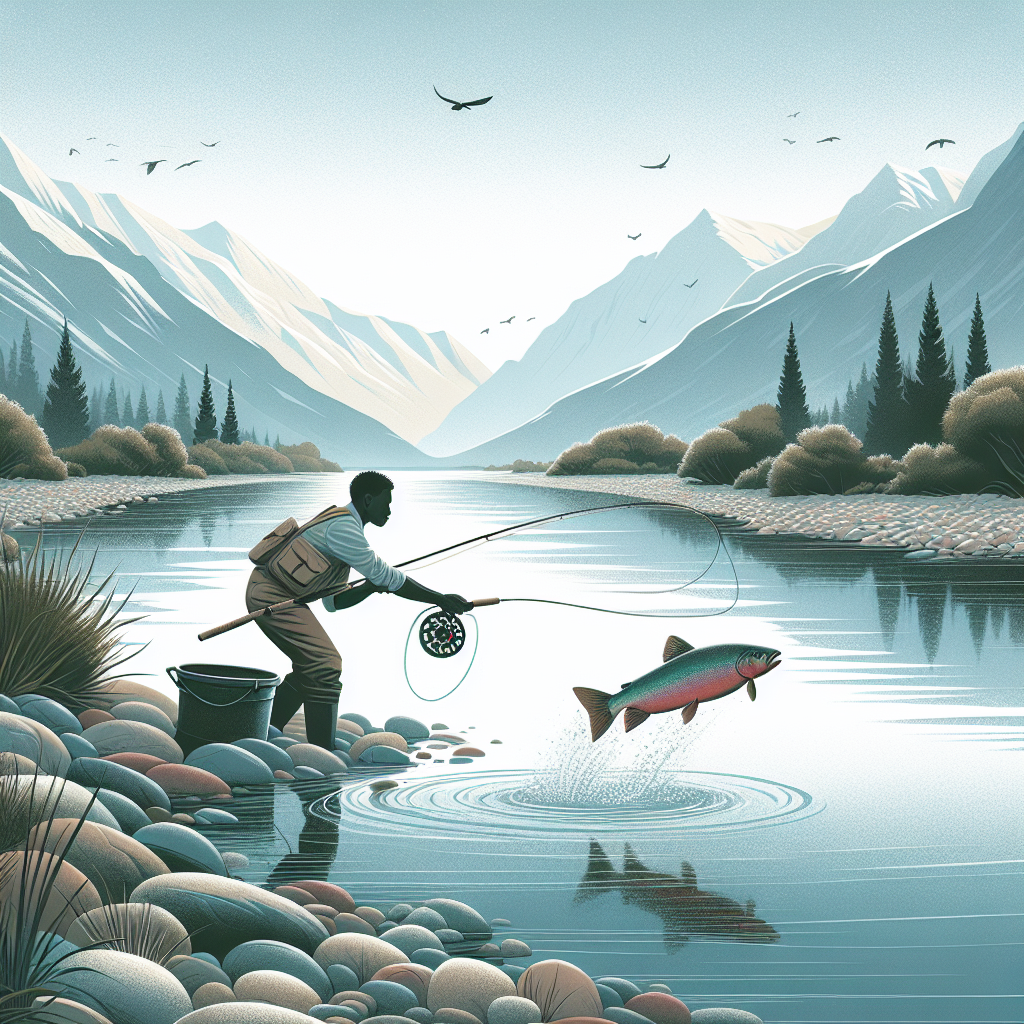
Sustainable Fly Fishing Practices for Conservation
Sustainable Fly Fishing Practices for Conservation
Fly fishing is not only a rewarding sport but also an opportunity to connect with nature. However, as anglers, it is crucial to adopt sustainable practices that preserve aquatic ecosystems. This article explores essential sustainable fly fishing practices that contribute to conservation efforts, ensuring that future generations can enjoy the sport.
Understanding the Importance of Sustainability
Conservation in fly fishing goes beyond simply catching fish; it involves protecting the habitats and waters that support them. Sustainable practices minimize environmental impact and promote biodiversity. Understanding these principles is the first step for every angler.
Gear Choices: Selecting Environmentally Friendly Equipment
Every angler should start by choosing gear that aligns with sustainable practices. Consider the following:
- Biodegradable Tippet and Line: Opt for products that decompose naturally.
- Recycled Materials: Seek out fly rods and reels made from recycled materials.
- Lead-Free Weights: Protect aquatic life by using non-toxic alternatives.
- Environmentally Friendly Flies: Purchase flies made from sustainable materials.
Practicing Catch and Release
Catch and release is a vital practice for maintaining fish populations. Here are some tips to enhance the effectiveness of this method:
- Use Barbless Hooks: They reduce injury to fish, making it easier to release them.
- Minimize Handling: Wet your hands before touching fish to protect their slime coating.
- Keep Fish in Water: Release them quickly to avoid stress and oxygen deprivation.
- Revive Before Release: Gently hold the fish in the water until it swims away on its own.
Choosing the Right Locations
Choosing where to fish can greatly impact conservation efforts. Guidelines to follow include:
- Research Local Regulations: Follow guidelines related to fishing seasons and protected areas.
- Avoid Overcrowded Areas: Seek less traveled waters to minimize environmental stress.
- Be Mindful of Sensitive Habitats: Stay away from spawning grounds and fragile ecosystems.
Leave No Trace Principles
Adhering to Leave No Trace principles is essential for maintaining the integrity of fishing areas. Key practices include:
- Pack Out What You Pack In: Dispose of all waste properly, including fishing line and food scraps.
- Stay on Established Paths: Protect vegetation by avoiding off-trail fishing.
- Respect Wildlife: Observe animals from a distance and avoid disturbing their habitat.
Educating and Advocating for Conservation
Anglers can play a crucial role in conservation by educating others and advocating for sustainable practices. Consider the following:
- Share Knowledge: Teach new anglers about sustainable practices and conservation.
- Support Local Conservation Groups: Get involved with organizations dedicated to protecting aquatic ecosystems.
- Participate in Clean-Up Events: Join initiatives aimed at keeping waterways clean.
Common Mistakes to Avoid
Even seasoned anglers can make mistakes that harm the environment. Here are some common pitfalls:
- Ignoring Local Regulations: Always stay informed about fishing laws in your area.
- Using Harmful Gear: Avoid using materials that can harm fish or their habitats.
- Overfishing: Respect catch limits to maintain healthy fish populations.
Conclusion
Adopting sustainable fly fishing practices is essential for the preservation of our precious aquatic ecosystems. By making mindful choices about gear, practicing catch and release, respecting habitats, and educating others, anglers can contribute to long-term conservation efforts. Engage with your local fishing community to promote these practices and ensure a thriving environment for future generations of anglers.