Top 10 Knots Every Fly Fisher Should Know
01/12/2026
Understanding Trout Behavior for Better Fishing Success
01/12/2026
Casting Techniques: From Basics to Advanced Skills
Introduction
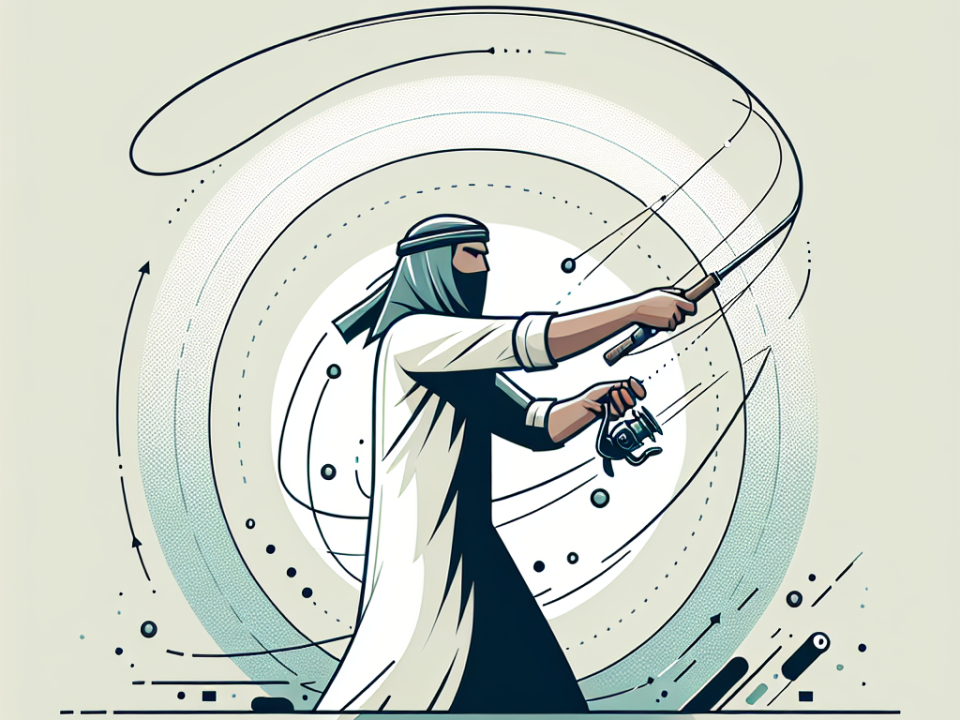
Casting is a fundamental skill for any fly angler, bridging the gap between novice and expert. Whether you are just starting your fly fishing journey or looking to refine your techniques, understanding the various casting methods is essential. This article will take you through the basics of casting, advanced techniques, and practical tips to enhance your skills on the water.
Understanding the Basics of Casting
The primary goal of casting is to deliver your fly to the fish in a natural, enticing manner. Mastering the basic casting techniques is crucial for building a solid foundation. Here are the fundamental elements:
- Grip: Hold the rod with a relaxed grip. Your thumb should rest on top of the rod for better control.
- Stance: Position your feet shoulder-width apart. This stance provides stability and balance.
- Backcast: Start with a smooth backcast to load the rod. This action is crucial for generating power.
- Forward Cast: Transition into a forward cast, allowing the line to unroll in front of you.
- Follow Through: Maintain the rod’s motion after the cast to ensure a smooth delivery.
Common Mistakes in Basic Casting
Even experienced anglers may fall prey to common casting errors. Here are a few mistakes to watch out for:
- Overcasting: Casting too hard can lead to tangles and loss of accuracy.
- Neglecting the Backcast: A poor backcast will negatively affect the forward cast.
- Incorrect Grip: A tight grip can reduce control and sensitivity.
Intermediate Casting Techniques
Once you have mastered the basics, you can explore intermediate techniques that allow for greater precision and versatility.
Roll Cast
The roll cast is invaluable in tight spaces where backcasting is limited.
- Setup: Position the line on the water’s surface.
- Rod Movement: Lift the rod vertically while keeping the line taut.
- Forward Motion: Quickly push the rod forward to send the fly to your target.
Sidearm Cast
The sidearm cast is effective for low obstacles, allowing you to place the fly precisely.
- Angle: Hold the rod horizontally when casting.
- Flat Trajectory: Aim for a flat trajectory to avoid obstacles.
- Controlled Speed: Use a moderate speed to maintain accuracy.
Advanced Casting Techniques
For those ready to elevate their casting prowess, advanced techniques can offer exceptional control and accuracy.
Double Haul
The double haul technique increases line speed and distance.
- Haul the Line: Pull the line with your line hand during the back and forward cast.
- Timing: Coordinate your haul with the rod movement for maximum effect.
- Practice: Utilize this technique in various conditions to build proficiency.
Single Spey Cast
The single spey cast is excellent for changing directions quickly on the river.
- Setup: Position your rod at a 45-degree angle upstream.
- Anchor the Line: Ensure the line lays on the water to create an anchor point.
- Cast: Sweep the rod back and forward smoothly to launch the fly.
Conclusion
Mastering casting techniques is vital for any fly angler. By starting with the basics and gradually progressing to intermediate and advanced skills, you can significantly enhance your effectiveness on the water. Remember to practice regularly, stay aware of common mistakes, and embrace new techniques to continuously improve your casting. With dedication and patience, you’ll find yourself casting with confidence and precision, leading to a more successful and enjoyable fly fishing experience.