Top 10 Knots Every Fly Fisher Should Know
01/12/2026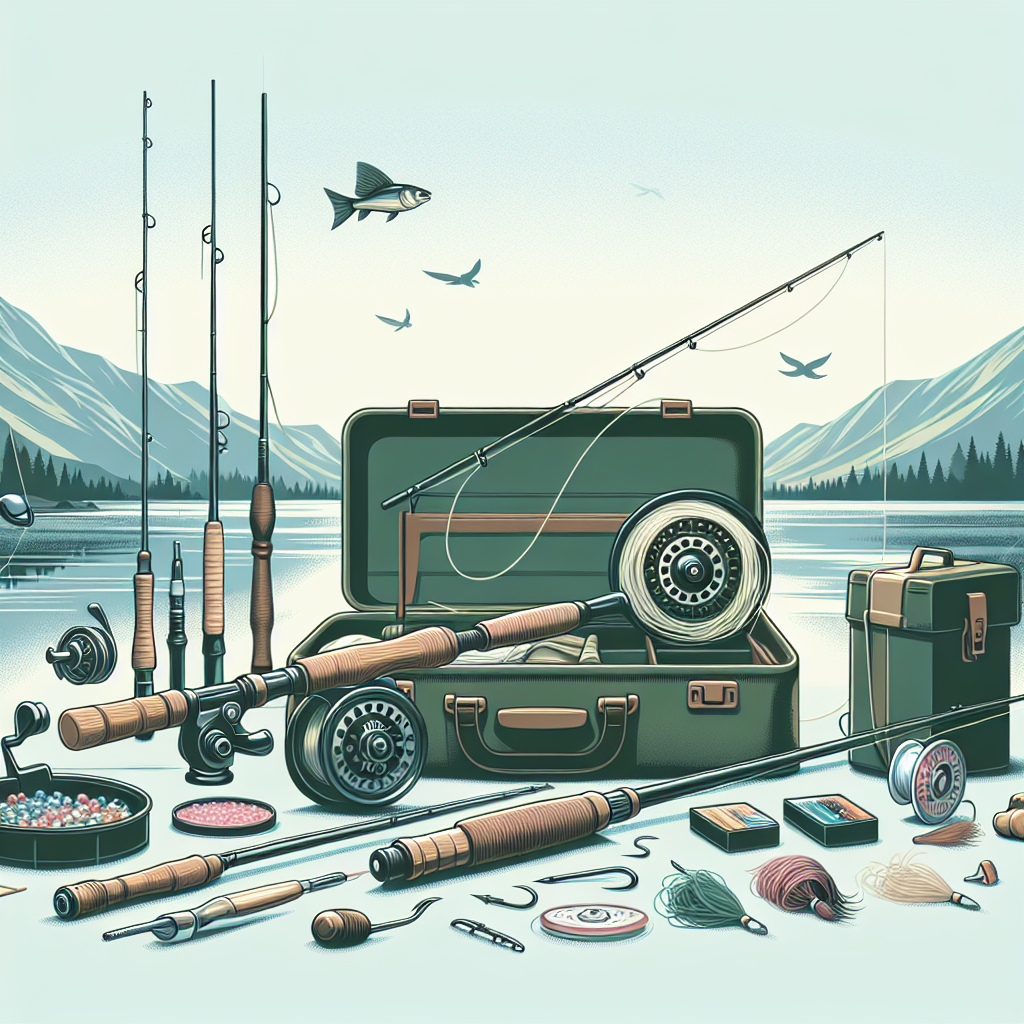
Beginner’s Guide to Fly Fishing Gear Essentials
Introduction to Fly Fishing Gear
Fly fishing is an enjoyable and rewarding outdoor activity, but starting off can feel overwhelming due to the variety of gear available. As a beginner, understanding the essential fly fishing equipment will not only enhance your experience but also improve your chances of success on the water. This guide will walk you through the must-have gear and how to choose the right equipment for your fly fishing adventures.
Essential Fly Fishing Gear
When it comes to fly fishing, having the right gear is crucial. Here are the primary components you’ll need:
- Fly Rod: The backbone of your fishing setup, available in various lengths and actions.
- Fly Reel: Holds the line and provides drag when a fish pulls.
- Fly Line: Designed to cast the fly, varying in weight and type based on the fishing conditions.
- Leader and Tippet: Connects the fly to the line, helping with stealth and presentation.
- Flies: Imitate insects or bait fish to attract your target species.
Choosing the Right Fly Rod
Your fly rod’s length and action depend on the type of fishing you plan to do. A longer rod offers better casting distance, while a shorter rod provides more control in tight spaces. Beginners should look for a medium-action rod, as it offers a good balance of flexibility and responsiveness.
Understanding Fly Reels
Fly reels come in various sizes, designed to match specific rod weights. A quality reel with a smooth drag system is essential for managing fish runs. Consider starting with a mid-range reel that provides durability without breaking the bank.
Fly Lines Explained
Fly lines are available in different weights, tapers, and materials. The weight of the line should match your rod to ensure optimal casting. Here are the common types of fly lines:
- Floating Lines: Ideal for surface fishing and dry flies.
- Sinking Lines: Designed for deep-water fishing, helping flies sink quickly.
- Intermediate Lines: Sink slowly, perfect for fishing just below the surface.
Leader and Tippet Basics
The leader is a length of transparent line that connects your fly to the fly line, while the tippet is a thinner line tied to the end of the leader. Choosing the right leader and tippet is vital for presentation and invisibility to fish. Beginners should opt for a 9-foot leader with a tippet size of 4X or 5X for general use.
Selecting Flies
Flies come in many styles, including dry flies, wet flies, nymphs, and streamers. Each type serves a different purpose and imitates various insects or baitfish. Beginners should start with a selection of basic patterns to cover various fishing conditions:
- Adams Dry Fly: A versatile dry fly effective for many species.
- Woolly Bugger: A popular streamer that represents multiple prey.
- Hare’s Ear Nymph: Excellent for subsurface fishing.
Common Mistakes to Avoid
As you embark on your fly fishing journey, be mindful of these common mistakes:
- Overpacking Gear: Start with the essentials before expanding your collection.
- Neglecting Practice: Regular practice improves casting and presentation skills.
- Ignoring Local Regulations: Always check fishing regulations and guidelines.
Conclusion
Selecting the right fly fishing gear is a critical step for beginners. Focus on the essentials: a quality rod, reel, line, leader, tippet, and a selection of flies to get started. Avoid common pitfalls by keeping it simple and practicing your skills regularly. With the right gear and knowledge, you’ll be well on your way to enjoying the art of fly fishing.